A series of scientific and technological archaeological analyses were conducted on fragment samples from a bronze ware with a tiger head and dragon body unearthed from Pit 8 at Sanxingdui site, led by the Sichuan Provincial Institute of Cultural Relics and Archaeology in collaboration with Peking University.
Observation of the cross-section of the colored samples using a stereo microscope revealed that the pigment was not a single, uniform component; the cross-section showed an arrangement of alternating black and red layers (Fig. 1). Component analysis of each layer by Raman spectroscopy identified the red component as HgS, i.e., cinnabar, while the black component was identified as carbon (Fig. 2).
Analysis of the red cinnabar painted layer by Scanning Electron Microscopy with Energy-Dispersive Spectroscopy (SEM-EDS) detected the presence of As within the cinnabar. The distribution area and proportion of Hg, S, and As indicated that this cinnabar was natural cinnabar mixed with arsenic sulfide minerals such as realgar or orpiment (Fig. 3).
This study focused on investigating the binding agent. Bicinchoninic Acid (BCA) testing detected no protein components, ruling out animal glue. Furthermore, analysis of the black binding material using Infrared Spectroscopy showed a shifted hydroxyl peak, approximating that of a phenolic hydroxyl group (Fig. 4). Analysis by Gas Chromatography-Mass Spectrometry (GC-MS) detected the presence of benzene ring structures in the black binding material (Fig. 5), providing further evidence for the presence of phenolic hydroxyl group in the binding agent. Considering the binding materials used in ancient human activities, it can be inferred that the binding agent was lacquer. This indicates that the craftsmen utilized lacquering techniques to achieve painted decoration with pigments on the metal surface of the bronze ware, reflecting a cross-craft technological connection between Sanxingdui bronzes and lacquer ware production.
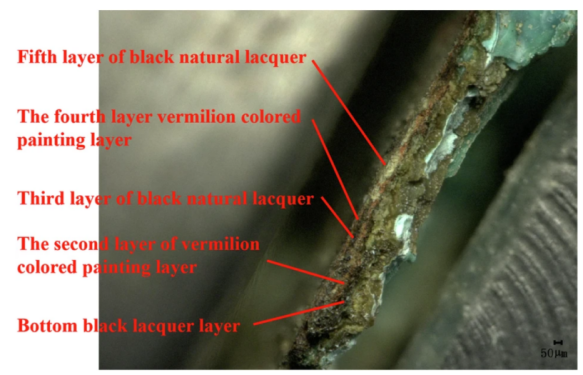
Fig. 1 The cross-section of the colored sample
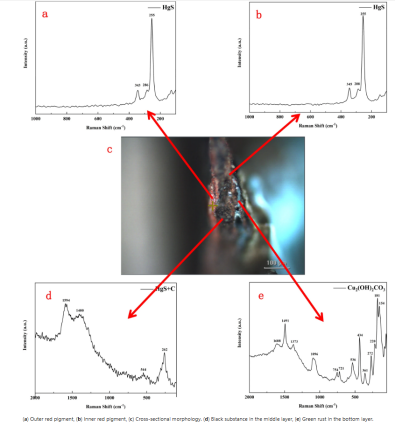
Fig. 2 Raman results of different layers of sample cross-section
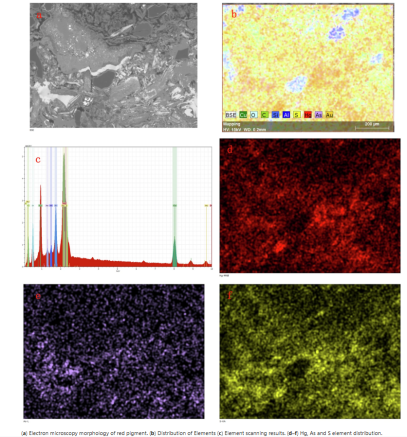
Fig. 3 The results of SEM-EDS mapping mode of red painted area
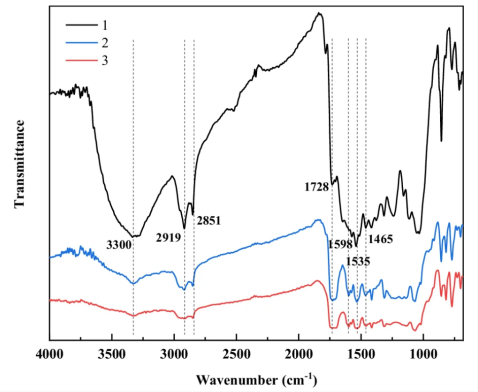
Fig. 4 Microscopic infrared spectroscopy test results
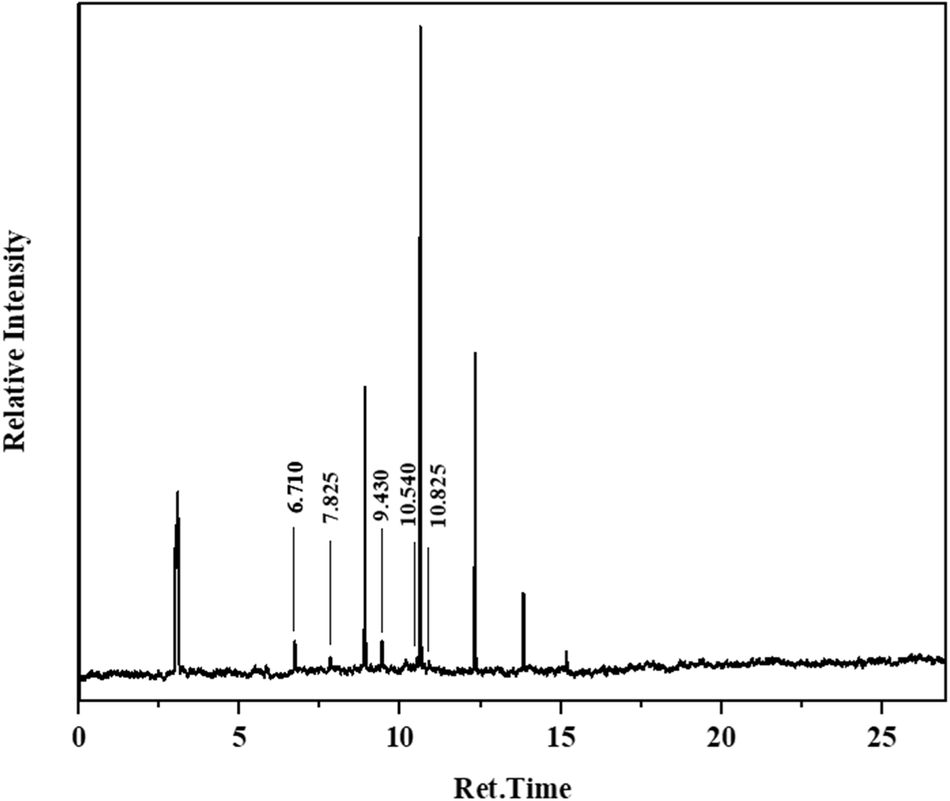
Fig. 5 The outflow curve of gas chromatography