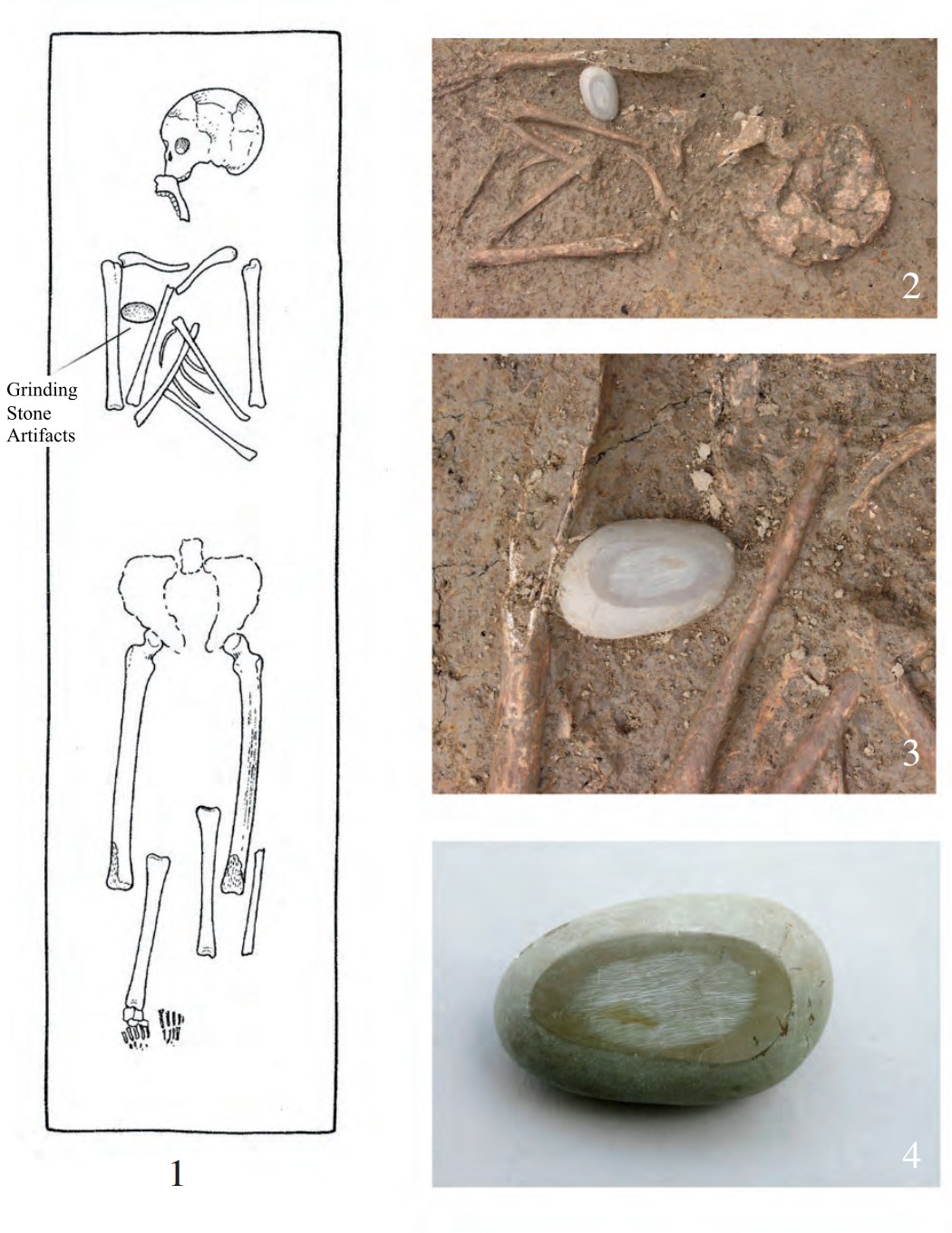
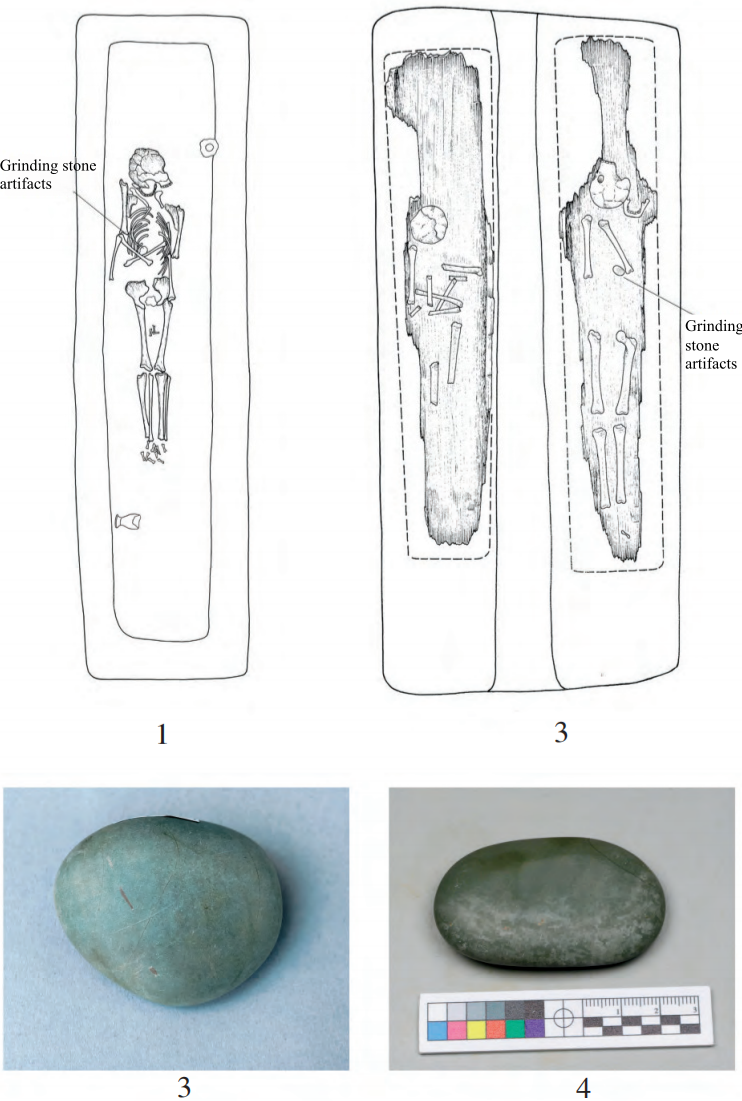
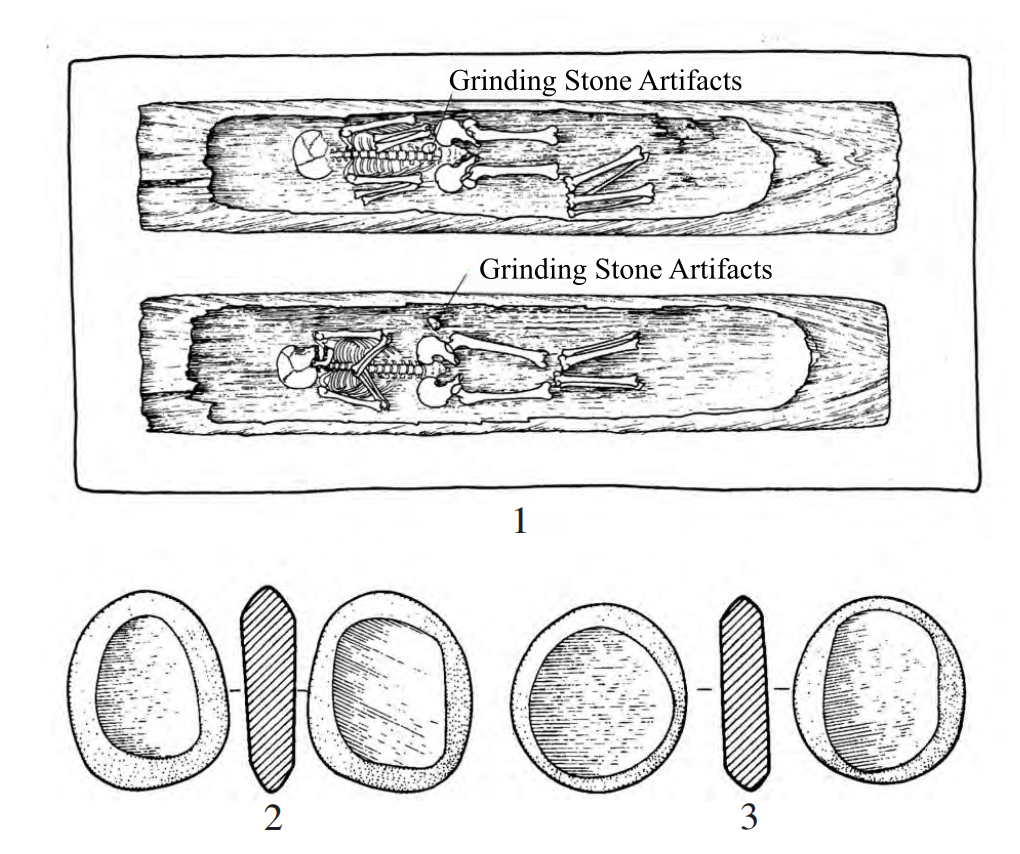
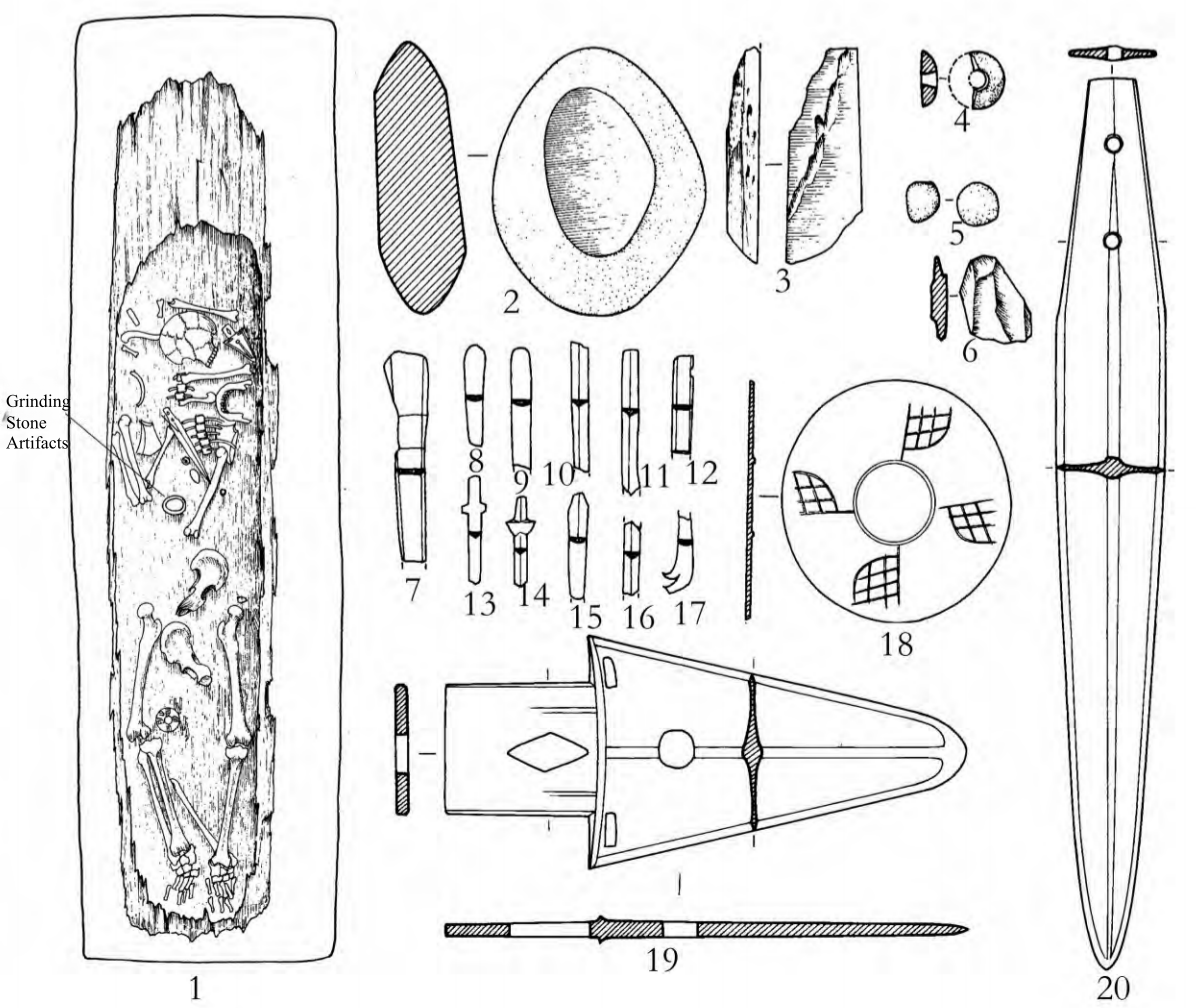
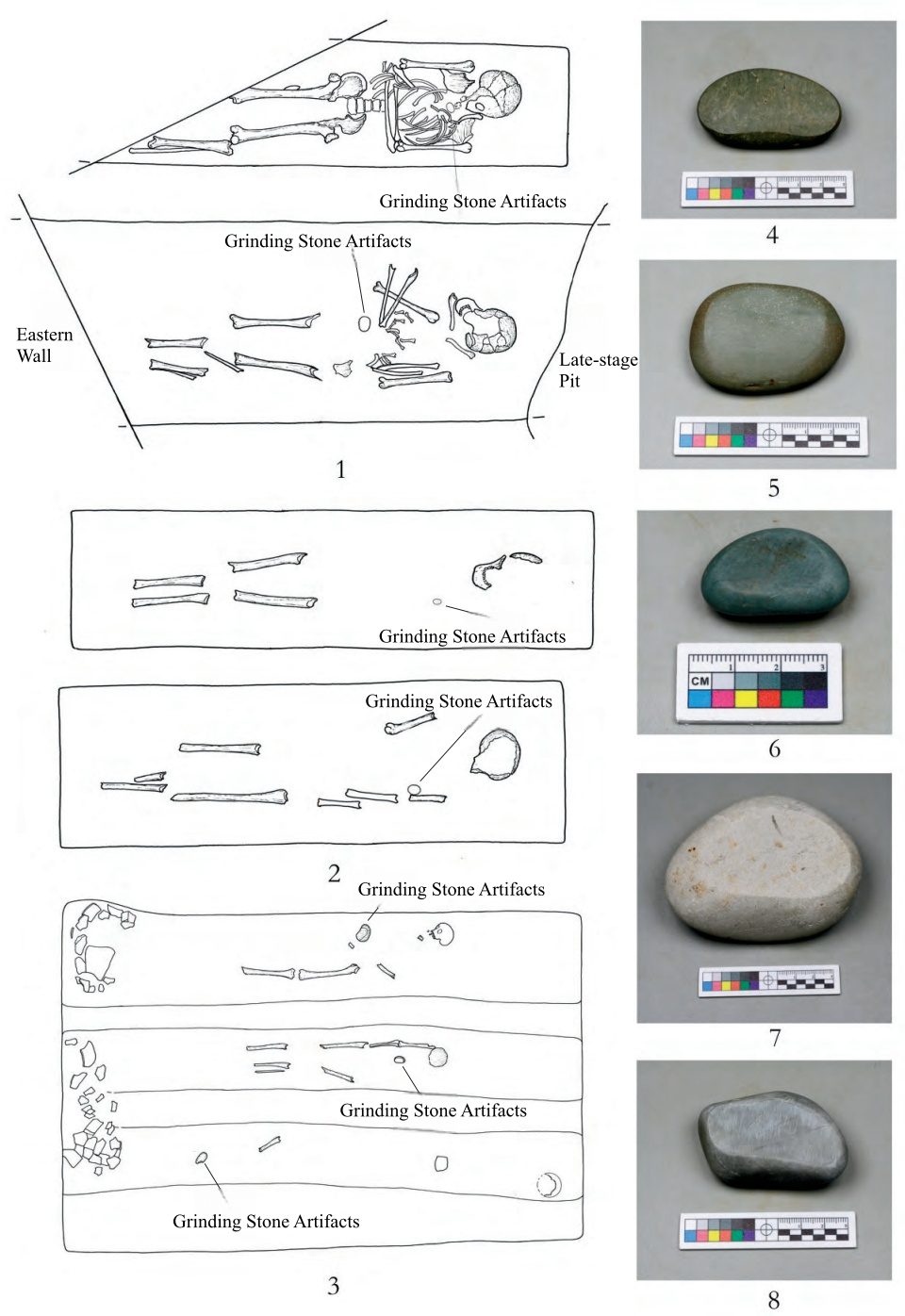
Abstract: Grinding stone artifacts make a common category of burial goods at Jinsha. These stones may have served as special symbols identifying soldiers or violent groups in ancient Shu society, functioning as markers of social and occupational identity. This custom reflects the social stratification within ancient Shu society. Grinding stone artifacts were prevalent in the boat-coffin burials, the custom of which appeared no later than the early Western Zhou Dynasty, declined in the late Spring and Autumn Period, and disappeared in the Warring States Period. The grinding-stone burial custom was closely related to the rise and decline of the central settlement at Jinsha. Its emergence and disappearance were likely connected to two major social transformations in Jinsha’s ancient Shu society between the Western Zhou and Spring and Autumn periods. With the changing regimes and ruling classes in the late Spring and Autumn Period, the new ruling class of Shu abandoned the old burial custom and embraced the new world.