April 18 is the International Day for Monuments and Sites. Under the annual theme “Emergency Response for Living Heritage in the Context of Conflicts and Disasters” proposed by ICOMOS, the Day raises profound questions about the continuity of civilization and the protection of heritage in our time. As core living cultural heritage sites that carry the ancient Shu civilization, Sanxingdui Museum and Jinsha Site Museum of Chengdu have organized a series of themed activities to deeply interpret the Outstanding Universal Value of the Sanxingdui–Jinsha Site heritage and to build public consensus and collective action for safeguarding cultural heritage.
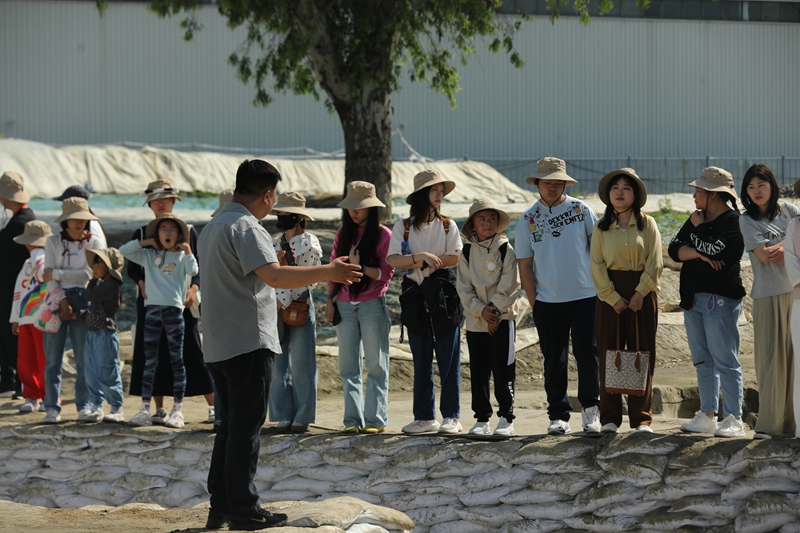
On April 18, Wang Zhankui, Associate Researcher at the Chengdu Institute of Cultural Relics and Archaeology who is primarily responsible for the archaeological exploration and excavation of the Jinsha Site, gave a lively lecture on important remains and archaeological discoveries at the site during the “Chengdu Archaeology at Your Doorstep: Classroom on the Ruins” event.
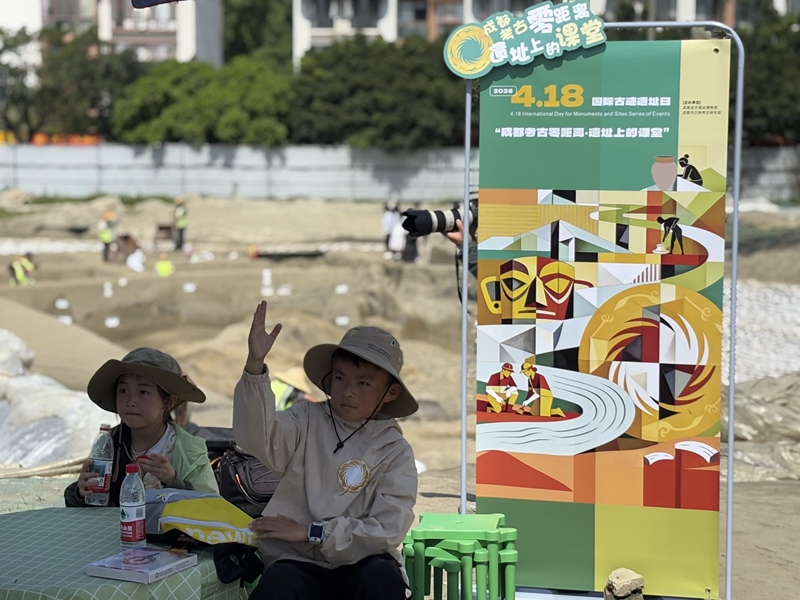
On April 18, at the “Chengdu Archaeology at Your Doorstep: Classroom on the Ruins” event: Children enthusiastically participated in a quiz with prizes.
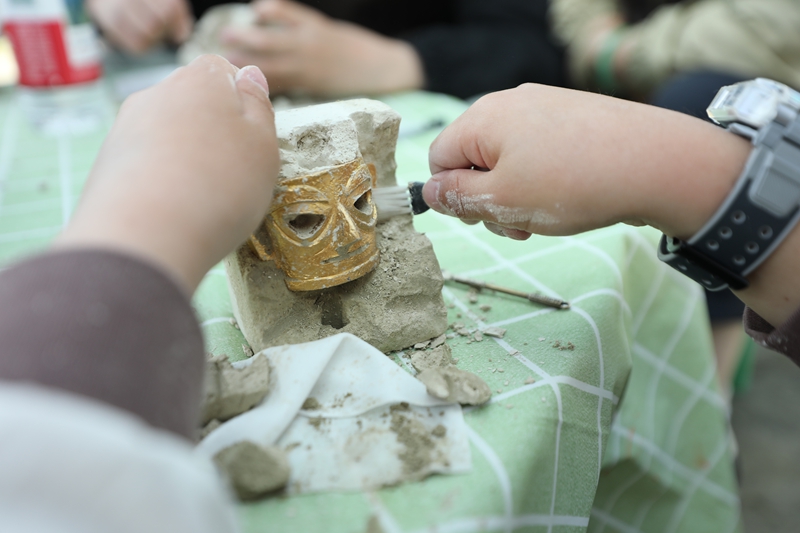
On April 18, at the “Chengdu Archaeology at Your Doorstep: Classroom on the Ruins” event: Interactive experience “Pino Archaeology at Ancient Shu Jinsha”.
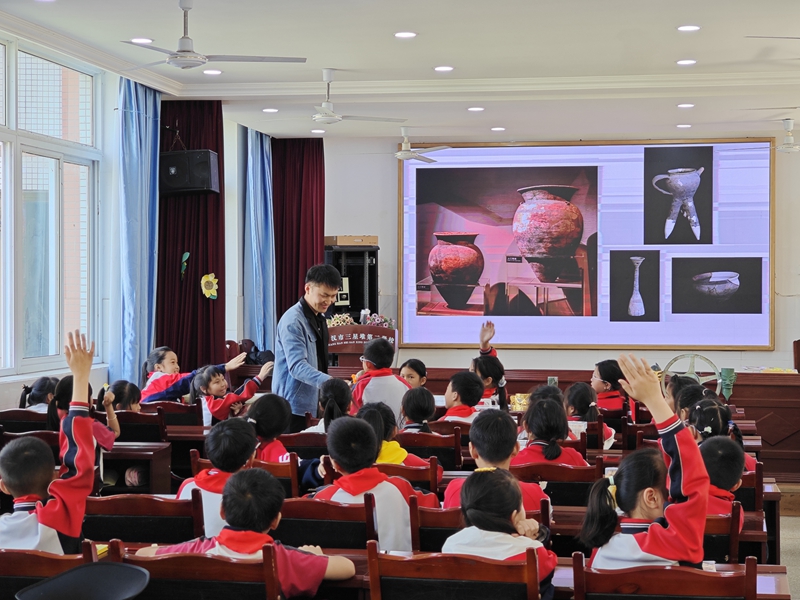
On April 14, the “Sanxingdui–Jinsha Site Cultural Heritage Lecture Hall” was held at Guanghan City Sanxingdui No. 2 School.
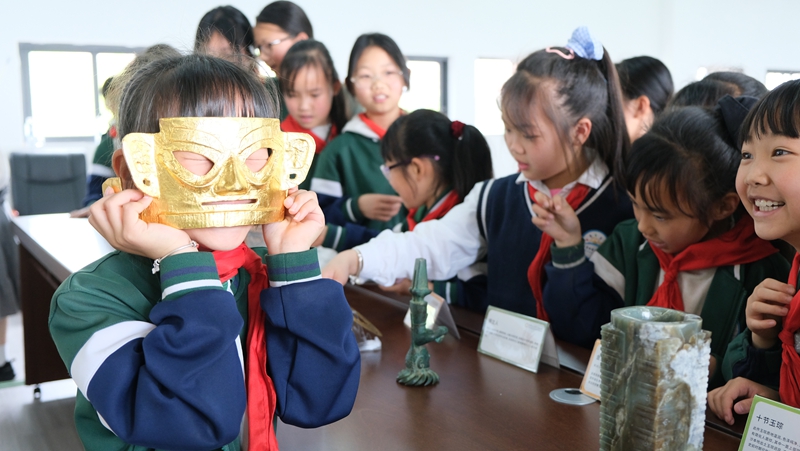
On April 15, the “Sanxingdui–Jinsha Site Cultural Heritage Lecture Hall” came to Sanxingdui Campus of Guanghan City No. 4 Primary School.
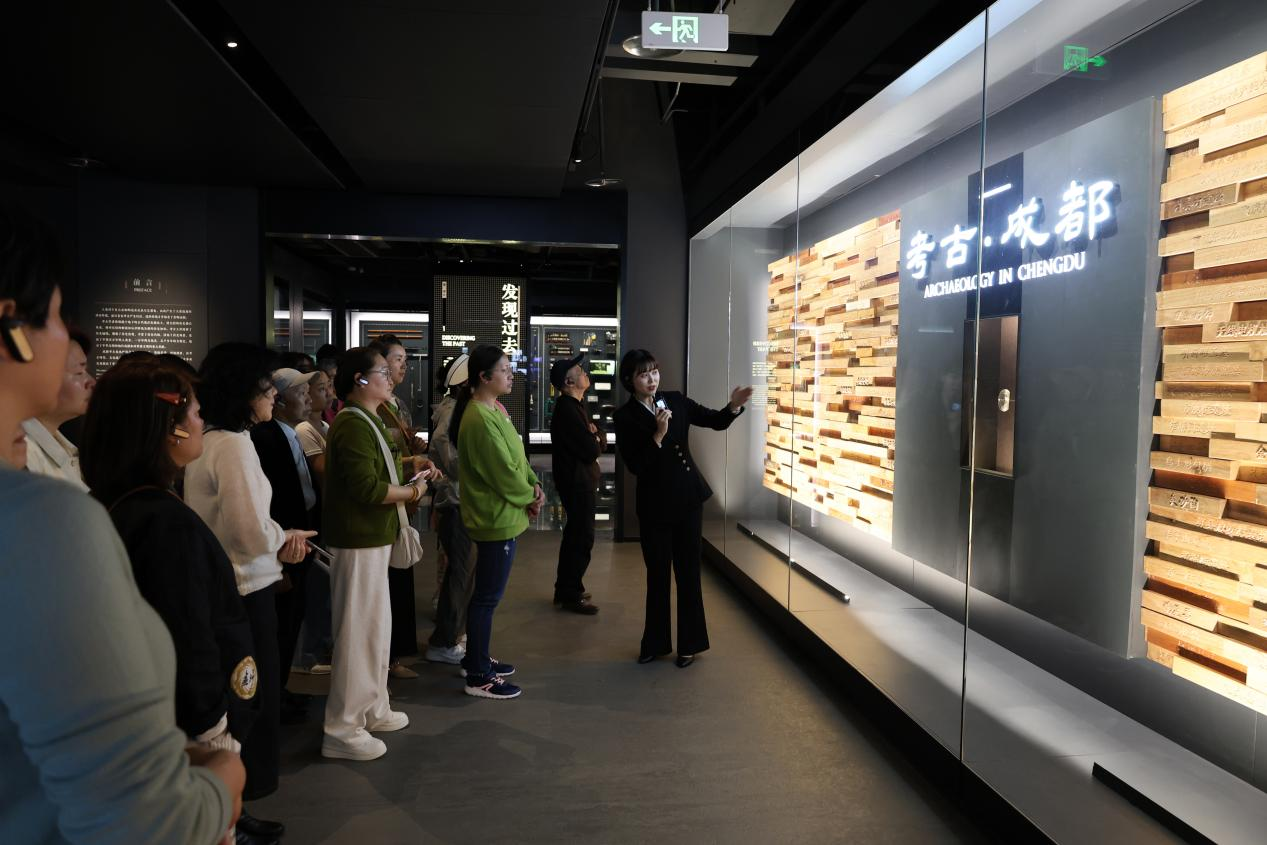
On April 16, at the “Protecting Cultural Heritage: Exploring the Chengdu Archaeology Center” event.
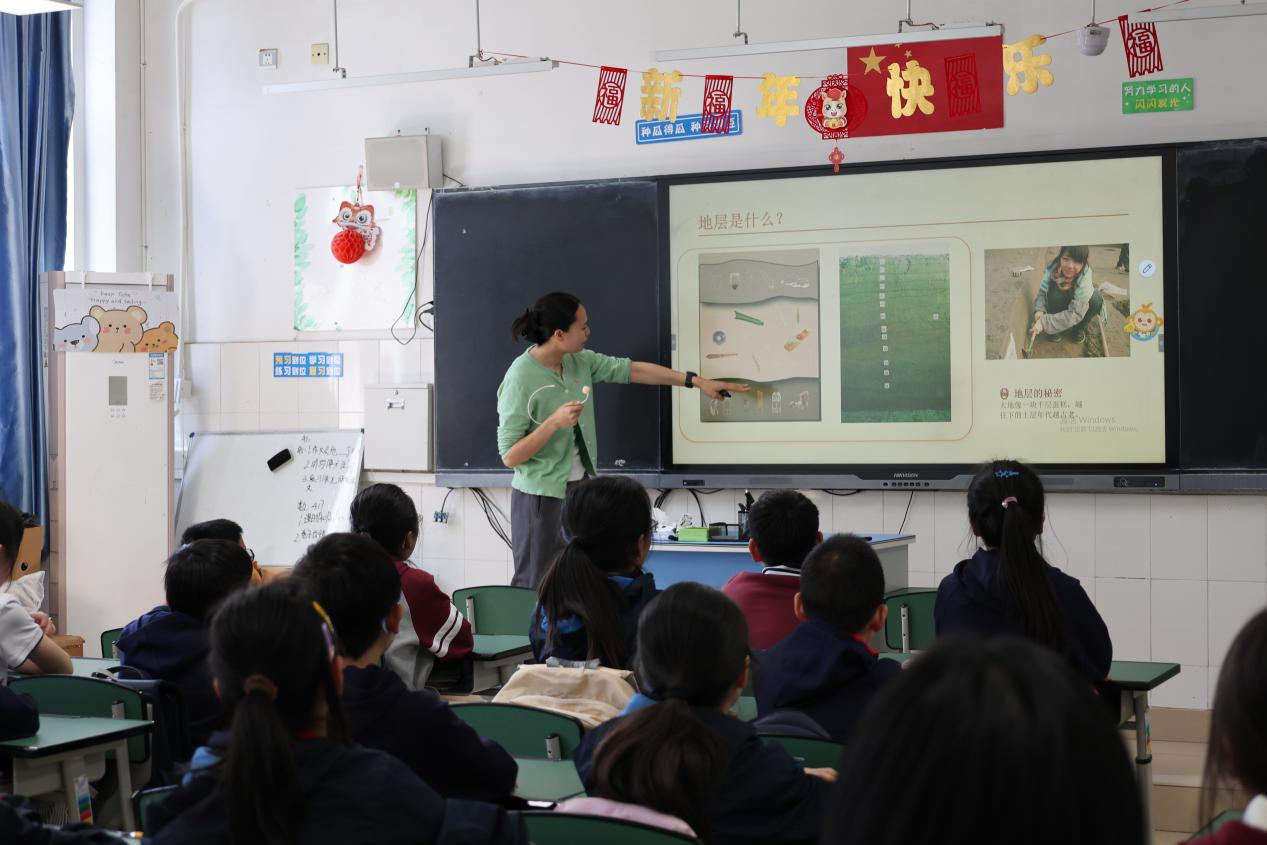
On April 17, the “Jinsha Culture on Campus” activity was launched at the Experimental School Affiliated to the Education Science Institute of Qingyang District, Chengdu.
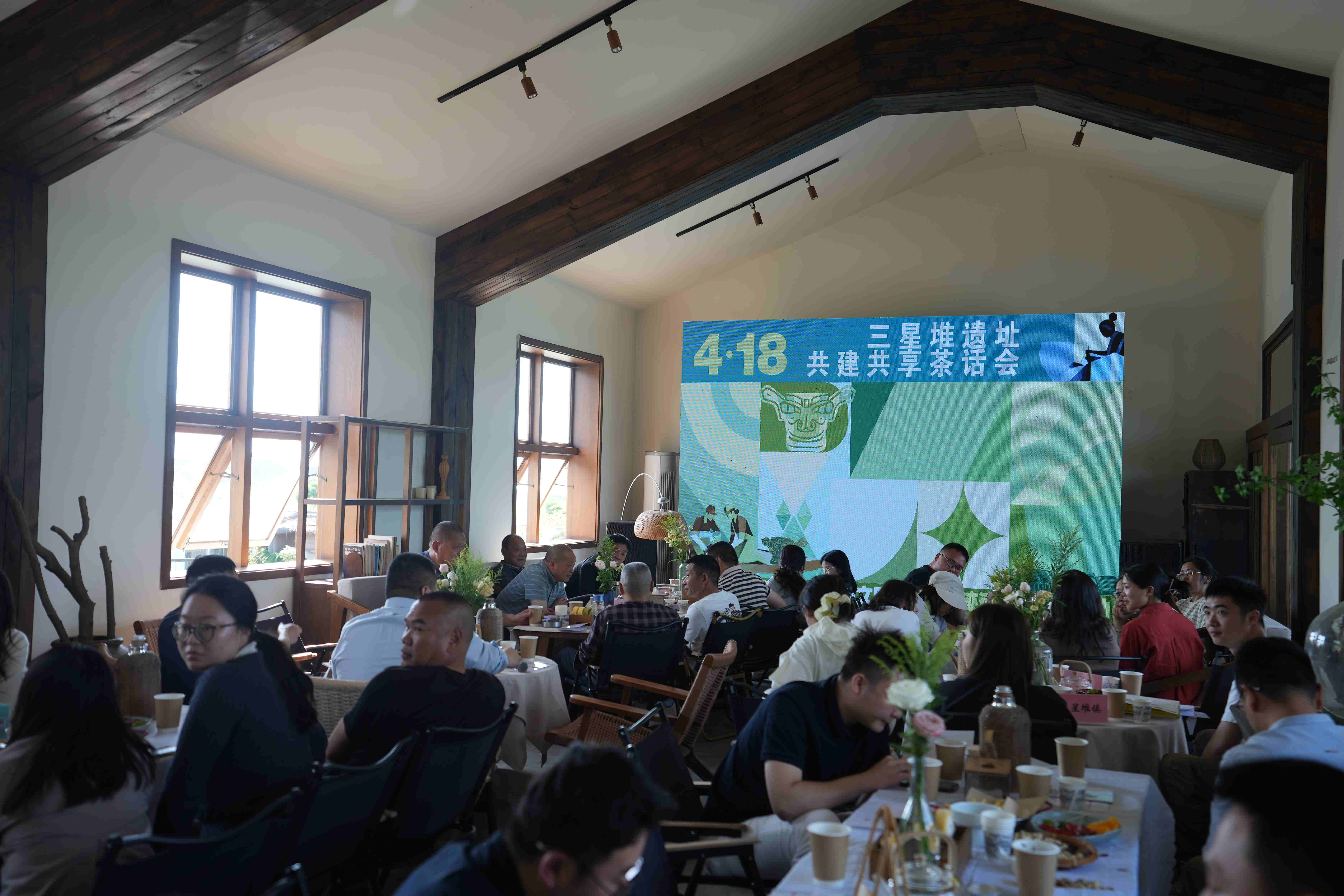
On April 17, a co‑construction and sharing tea talk was held at the Sanxingdui Site. More than 40 people gathered around a table, including residents of the Sanxingdui area, staff from the Sanxingdui Management Committee and Sanxingdui Museum, and university guests, to offer suggestions for the protection of the site area.
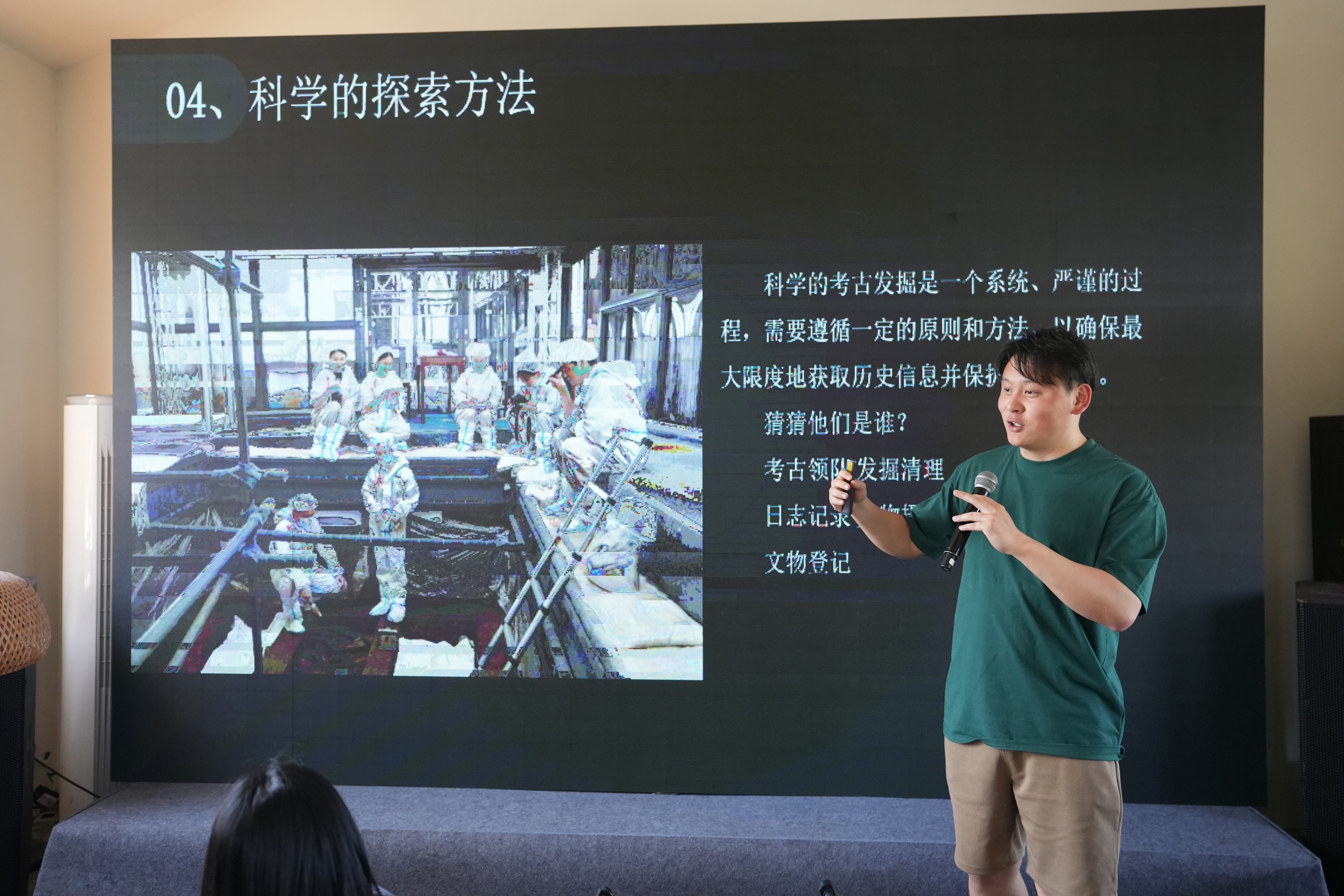
On April 17, Huo Jiaxing, a PhD candidate in archaeology from Sichuan University, delivered a talk titled “How Did Shu Come to Be? Exploring Ancient Civilizations,” using accessible and engaging language to decode the historical position of Sanxingdui within the ancient Shu civilization.
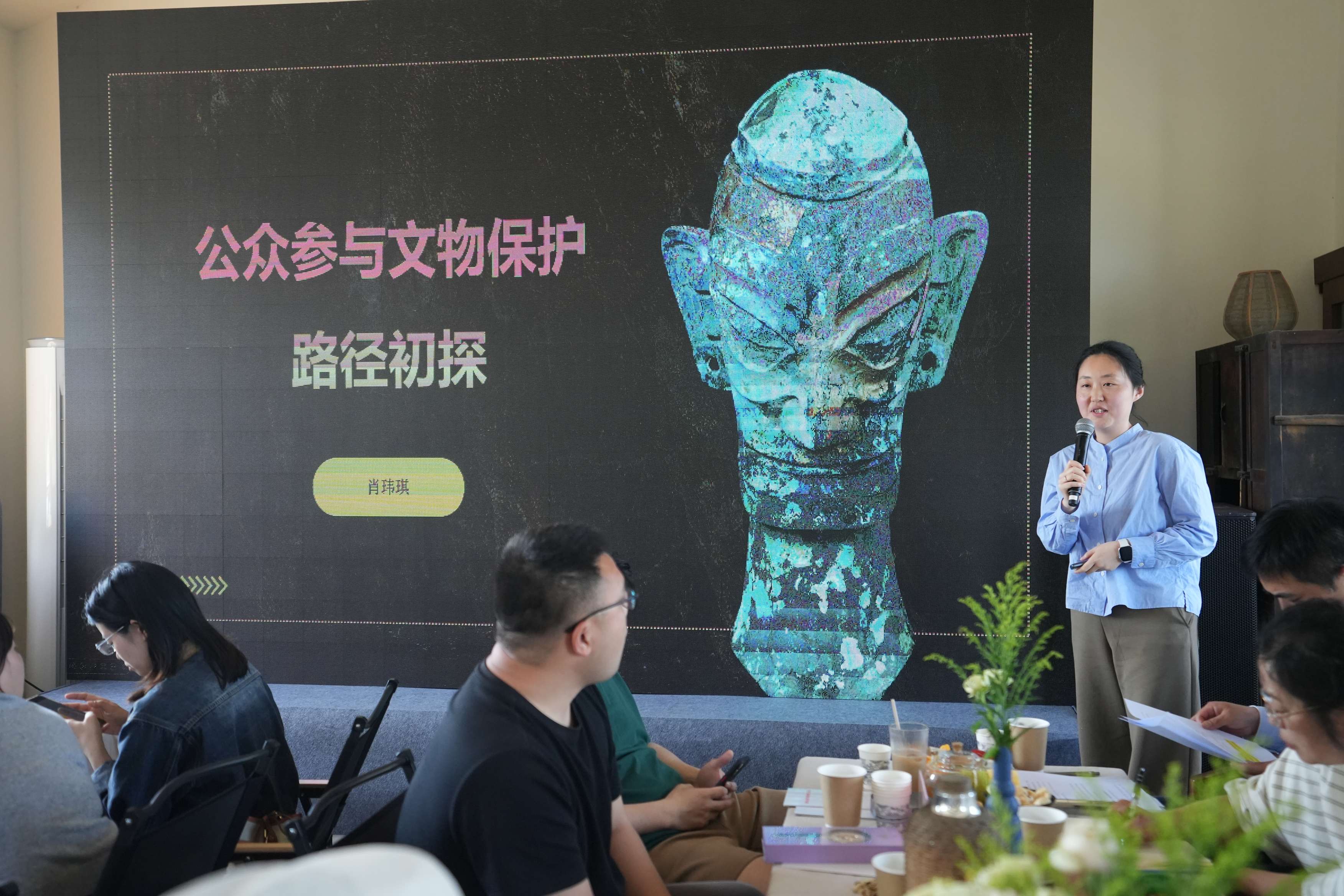
On April 17, Xiao Weiqi, a young scholar from Sanxingdui Museum, shared her insights in “A Preliminary Exploration of Public Participation Pathways in Cultural Heritage Protection,” opening up new perspectives for broad‑based, co‑constructed heritage conservation.