On June 9, 2026, an academic symposium, titled “Looking Southward: Sanxingdui, Jinsha, and the Bronze Age of Southeast Asia”, was held at Qianhe Lecture Hall of Sichuan University Museum. The symposium was jointly hosted by the Center for Archaeological Science of Sichuan University, the School of Archaeology and Museology of Sichuan University, Sichuan University Museum, Sichuan Provincial Institute of Cultural Relics and Archaeology, and Chengdu Municipal Institute of Cultural Relics and Archaeology. Participants engaged in in-depth discussions on topics including the origins of metallurgical technology in southwestern China, the connections between southwestern China and Southeast Asia, and discoveries from Bronze Age archaeological surveys and excavations. Their insights provided new evidence and perspectives for understanding the development of Bronze Age cultures in southwestern China and their interactions with neighboring regions. Tang Fei, Director General of Sichuan Provincial Cultural Heritage Administration, attended the meeting and delivered the opening remarks. A total of 12 experts and scholars from scientific research institutions, including the Institute of Archaeology of the Chinese Academy of Social Sciences (CASS), Sichuan University, Southwest Minzu University, Guangxi Normal University, Sichuan Provincial Institute of Cultural Relics and Archaeology, Chengdu Municipal Institute of Cultural Relics and Archaeology, Yunnan Provincial Institute of Cultural Relics and Archaeology, and the National Center for Scientific Research of France (CNRS), delivered thematic presentations.
At the opening ceremony, Director General Tang Fei noted in his remarks that the symposium “places the ancient Shu civilization, represented by Sanxingdui and Jinsha Sites, within the historical coordinate system of exchanges and mutual learning among ancient Asian civilizations, and will undoubtedly advance related research to greater depth and higher levels”. He stated that Sichuan Provincial Cultural Heritage Administration will make every effort to build academic platforms, promote interdisciplinary collaboration, and consistently deepen joint archaeological research programs between southwestern China and Southeast Asia.
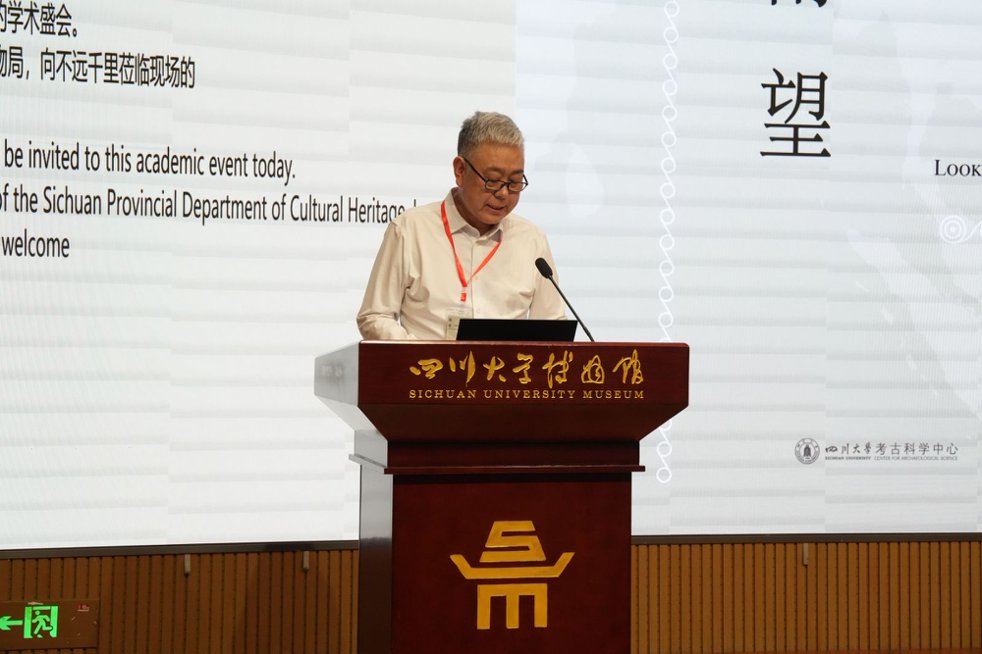
Director General Tang Fei delivers the opening remarks.
During the discussion session, Dr. Ran Honglin from Sichuan Provincial Institute of Cultural Relics and Archaeology discussed the “Research on the Change of Settlement Pattern at the Sanxingdui Site”. He divided the development of Sanxingdui Site into five phases. Phase I and Phase II belong to Baodun culture period, during which a number of small settlements formed a larger settlement, largely continuing the structural characteristics of Baodun Ancient City. In Phase III, Yueliangwan Small City emerged, and the settlement pattern underwent significant changes compared with the previous two phases. During Phase IV, the ancient city expanded considerably, with the addition of an outer city wall that created a double-ringed city structure. In Phase V, Sanxingdui ceased to serve as the capital of the ancient Shu State, and extensive abandonment of city walls and large-scale structures became evident. He pointed out that the notable differences between Phase II and Phase III may indicate deeper underlying factors, such as population movements.
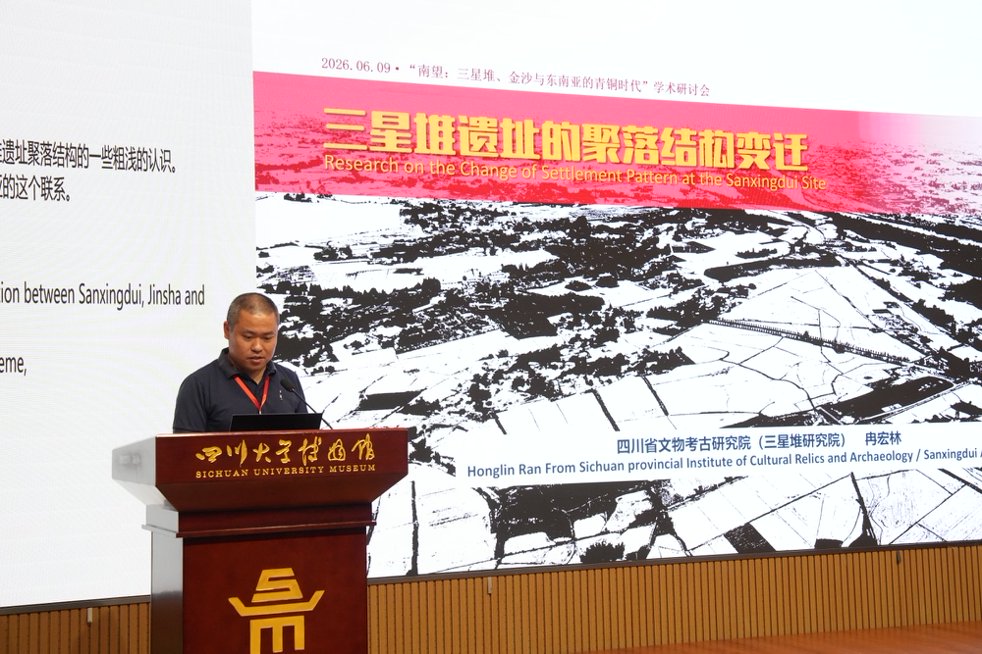
Dr. Ran Honglin
Li Shuicheng, Chair Professor of Humanities at Sichuan University, delivered a presentation titled “Cultural Interactions: Sanxingdui-Jinsha Sites and Southeast Asia”, which explored exchanges and interactions between southwestern China and Southeast Asia. He pointed out that these interactions involved both cultural elements that spread southward, such as notched zhang blades, and those that moved northward, such as ivory objects and cowries. Meanwhile, there are certain objects whose transmission routes still remain unclear (such as collared bracelets) and cultural elements whose functions and origins have yet to be determined (such as conical hat-shaped objects). These questions require further research. He emphasized that “human migration and cultural interaction are the norm”, and we should acknowledge the deep connections between Sichuan culture and Southeast Asian culture.
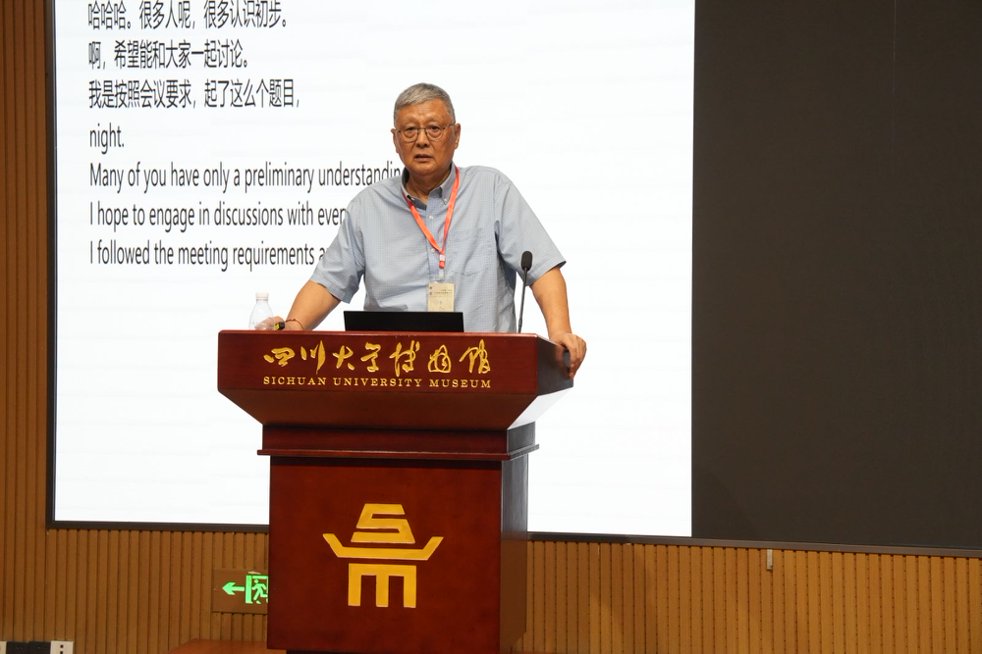
Professor Li Shuicheng
Kazuo Miyamoto, Chair Professor of Humanities at Sichuan University, presented a report titled “Bronzes of Sichuan-Xizang Plateau and Southeast Asia”, offering a new perspective on the transmission of Bronze Age traditions from the Eurasian steppe to Southeast Asia. Drawing on typological comparisons of objects, such as socketed bronze ge dagger-axes, he noted that the bronze cultures of Western Sichuan Plateau and Yunnan exhibit clear stylistic and technological affinities with Karasuk culture in southern Siberia. Cultural elements originating in the northern steppe were absorbed and integrated by Sichuan-Xizang Plateau, before continuing to spread southward and eventually influencing Dong Son culture in Vietnam. This outlines a bronze culture transmission corridor extending from the northern steppe, through Sichuan-Xizang Plateau, to Southeast Asia.
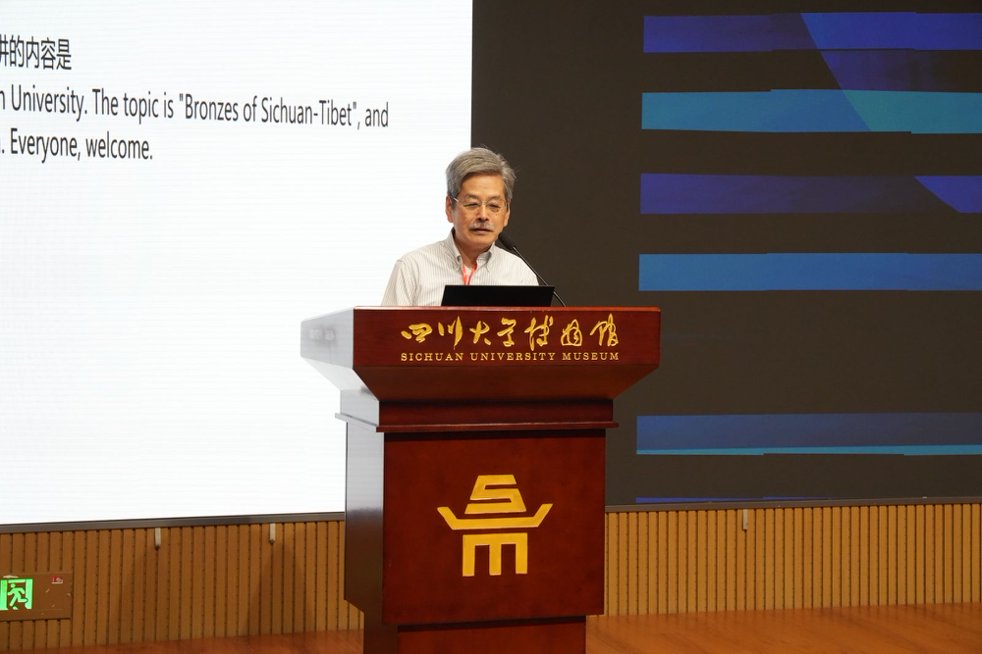
Professor Kazuo Miyamoto
Zhao Deyun, Professor at the School of Archaeology and Museology of Sichuan University, introduced the topic “Bronze Age Remains at Haimenkou Site and Related Issues”. Based on years of excavation results at Haimenkou Site, and taking into account the differences between the eastern and western excavation areas, he proposed the concept of “Haimenkou culture”, primarily represented by the remains from the eastern area. He then discussed the chronology, ethnic origins, and other questions of both the Bronze Age culture of the western area and Haimenkou culture. Finally, by comparing the two, he identified clear differences in settlement patterns and burial practices, as well as stone and pottery production techniques. He argued that the marked cultural distinctions between the eastern and western areas may suggest that two different groups once coexisted at the site. While each maintained its own cultural traditions, they influenced each other amid cultural integration. Between the two, the Bronze Age culture of the western area was more evidently influenced by Haimenkou culture.
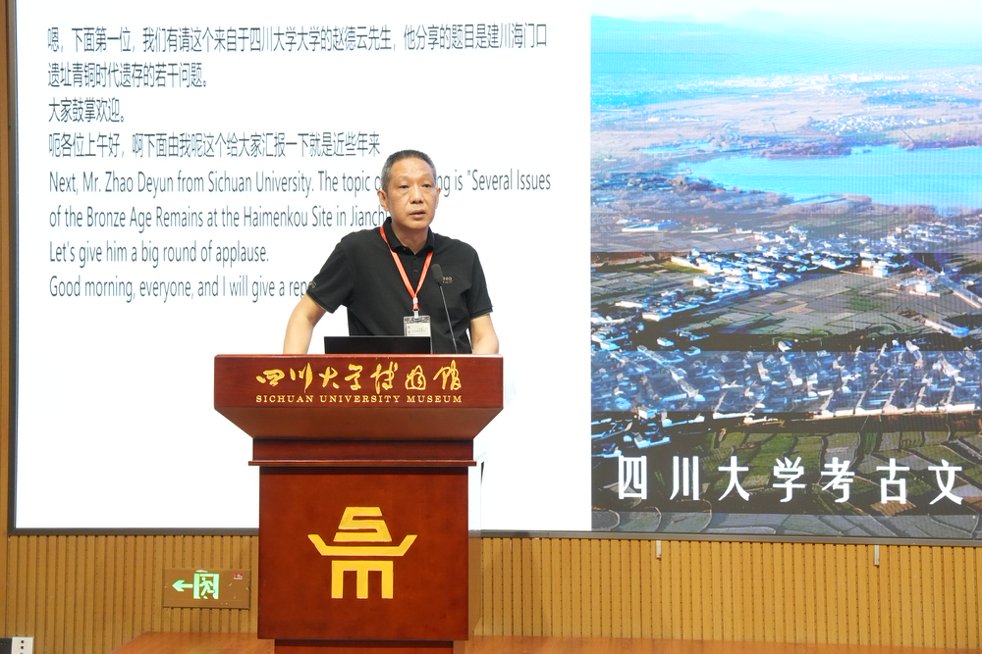
Professor Zhao Deyun
Zhou Zhiqing, Researcher at Chengdu Municipal Institute of Cultural Relics and Archaeology, presented “Different Paths, Shared Outcomes—Bronze Age Chengdu Plain and Southeast Asia”. Taking concave-edged chisel-shaped objects as a starting point, he systematically reviewed their discovery and distribution. He noted that such artifacts have been found in sites dating from the Neolithic to Shang and Zhou periods across Chengdu Plain, southwestern Guangxi, southeastern Yunnan, southwestern Guizhou, and northern Vietnam. He further pointed out that Chengdu Plain and Southeast Asia share other similar cultural elements, including collared bi discs, notched bi discs, cowries, and zhang blades. In his view, there may have been a prehistoric exchange route linking Guangxi and western Sichuan with Southeast Asia, with eastern Yunnan and western Guizhou serving as an intermediary corridor. The homogeneous cultural elements found across Chengdu Plain, eastern Yunnan, western Guizhou, southwestern Guangxi, and northern Vietnam collectively reveal the existence of a “broad network” during the Bronze Age.
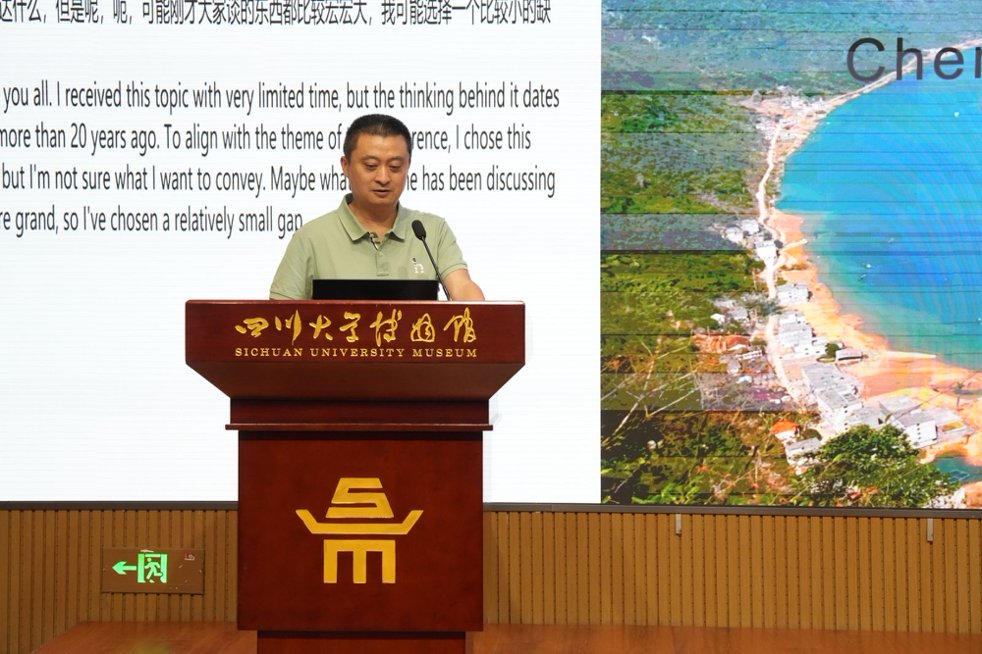
Researcher Zhou Zhiqing
Hu Changcheng, Research Librarian at Yunnan Provincial Institute of Cultural Relics and Archaeology, introduced “New Progress in Metallurgical Archaeology in Yunnan—Excavation and Findings from the Cemetery in Sanpo Village, Mile County”. He noted that Yunnan had established connections with Southeast Asia at an early stage. The excavation of the cemetery in Sanpo Village, Mile County, has revealed the burial customs and cultural characteristics of mining communities in southwestern China during the Han Dynasty. These findings provide important materials for studying the metallurgical techniques of the “southwestern barbarians”, including the sources of raw materials, smelting technologies, and the circulation of resources.
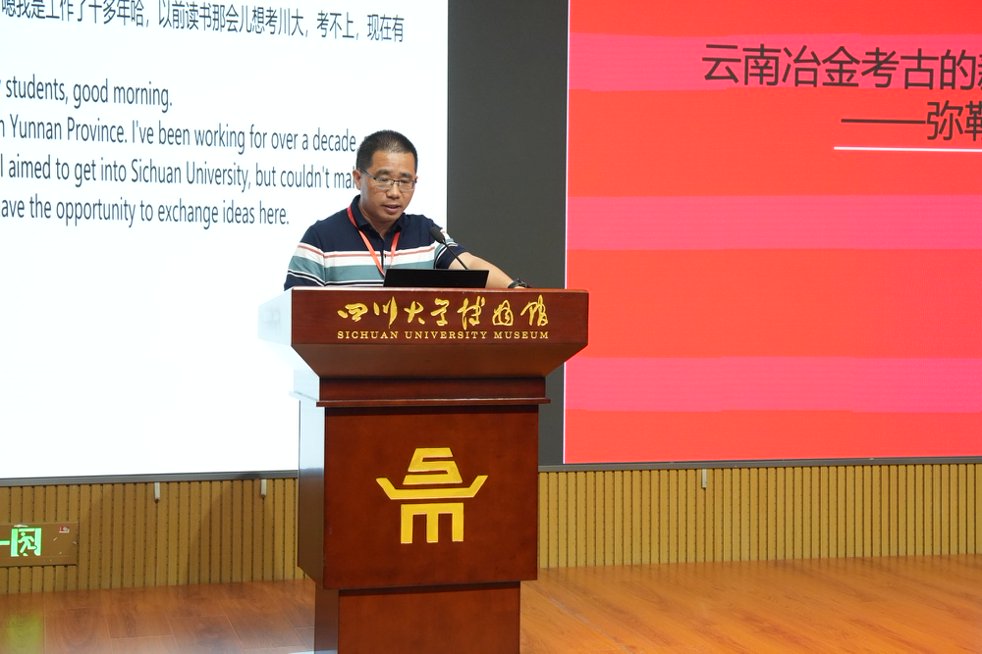
Research Librarian Hu Changcheng
Yang Yong, Researcher at the Institute of Archaeology of the CASS, delivered a presentation titled “The Origins and Dissemination of the Bronze Objects of the Southwestern Barbarians—A Case Study of Bronze Swords with a Straight Cross Guard”. He first presented a typological study of bronze swords with a straight cross guard, and on this basis, examined their spatial distribution across different types and their chronological development and evolution. He further discussed the possible ethnic affiliation of their users and their primary production areas. He noted that, following their emergence, bronze swords with a straight cross guard gradually spread outward—westward into the Dianchi Lake area and southward into northern Vietnam.
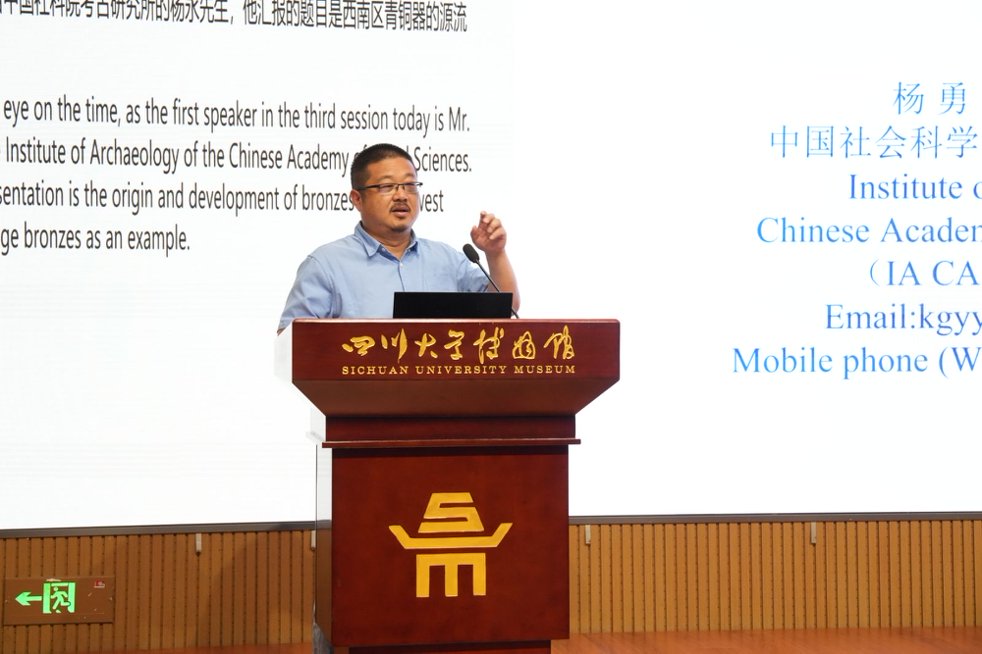
Researcher Yang Yong
Dr. Fu Jie, Lecturer at the School of Archaeology and Museology of Sichuan University, reported under the title “Metallurgy in the Mountainous Regions of Southwestern China from the Bronze Age to the Early Iron Age: Technology, Chronology, and Interaction”. He systematically reviewed metallurgical technologies in the mountainous regions of southwestern China from the Bronze Age to the Early Iron Age. Based on excavations at Longbohe Site, Jicha Site, and other sites, he proposed the concept of the “mountain metallurgical tradition”, which differs from the Central Plains tradition. The report suggested that northern metallurgical technologies were transmitted along the eastern margins of Qinghai-Xizang Plateau into Yunnan, and then southward through Honghe River basin and other corridors into Southeast Asia. This process formed a key technological linkage connecting the Eurasian steppe with Southeast Asia.
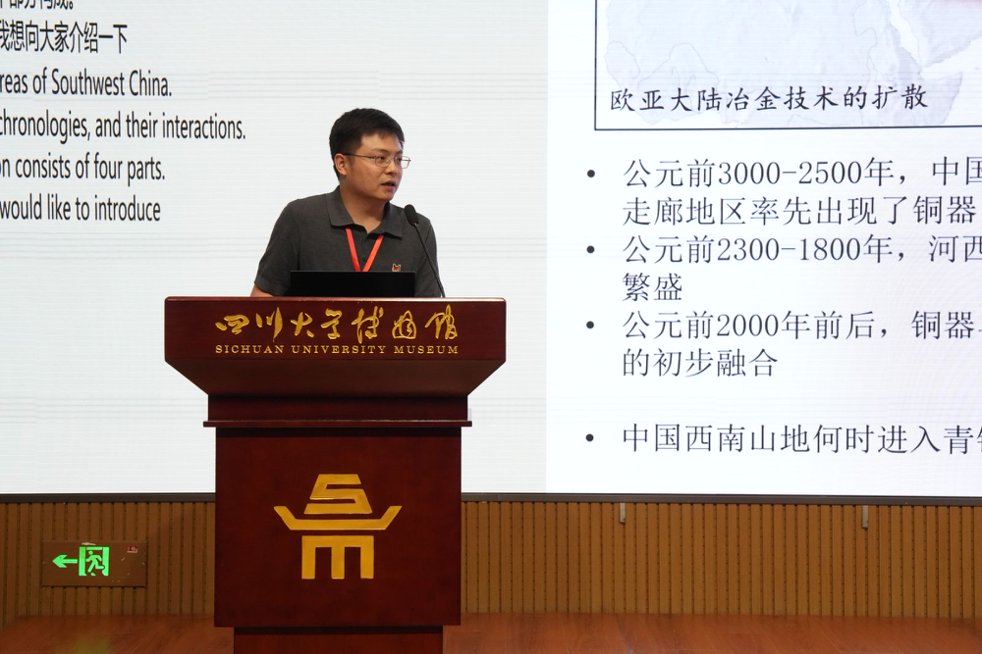
Dr. Fu Jie
Shi Tao, Associate Professor at the School of Archaeology and Museology of Sichuan University, delivered a presentation titled “Mining Settlements and Production Organization: A Case Study from the Middle Yangtze River Region”. He discussed the organization pattern of mining production in the middle Yangtze River region through four key dimensions: production context, degree of production concentration, production scale, and production density. He argued that two distinct mining models existed before and after the Spring and Autumn Period. Prior to this period, mining activities were small-scale, part-time, and locally organized. After the Spring and Autumn Period, production became large-scale, specialized, and likely controlled. This transformation may reflect different methods of control over copper production exercised by early states and regional states.
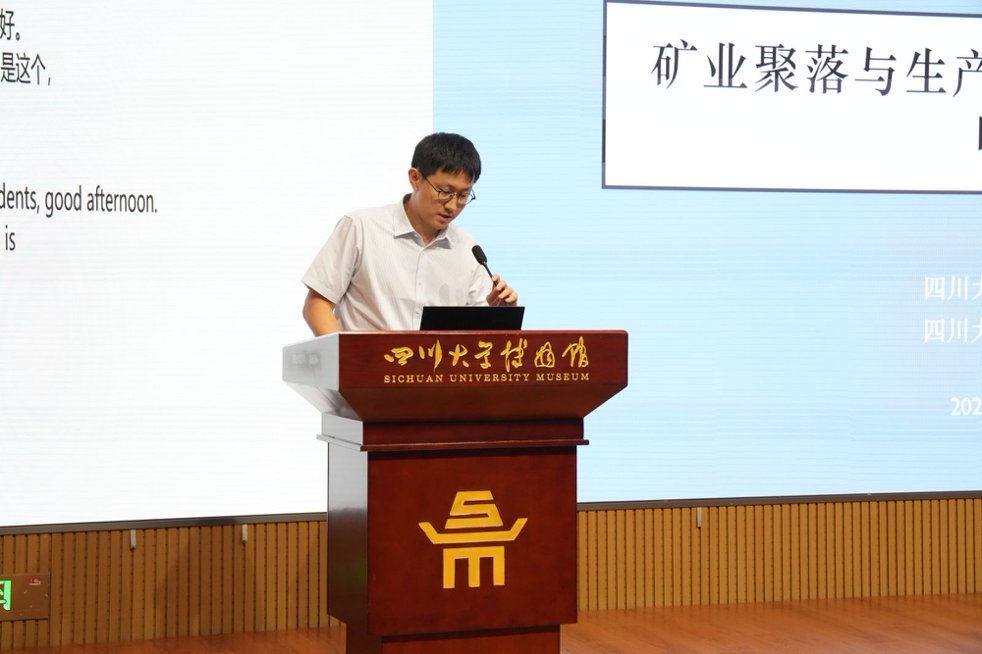
Associate Professor Shi Tao
Thomas Oliver Pryce, Senior Researcher at the CNRS, introduced “Recent Progress in Research on the Origins of the Bronze Age in Southeast Asia”. He systematically reviewed the academic history of studies on the Bronze Age in Southeast Asia and, drawing on his own lead isotope data analysis, proposed that bronze technologies in Southeast Asia were transmitted from southwestern China. He observed a clear chronological order in their spread: first appearing in northern Vietnam, followed by central Thailand, and later reaching Myanmar. He further suggested that bronze technologies may have spread not only through inland river systems but also via coastal routes. He emphasized the need to strengthen cross-border field collaboration and interdisciplinary integration across China, Vietnam, Laos, and Myanmar in the future to identify specific transmission routes.
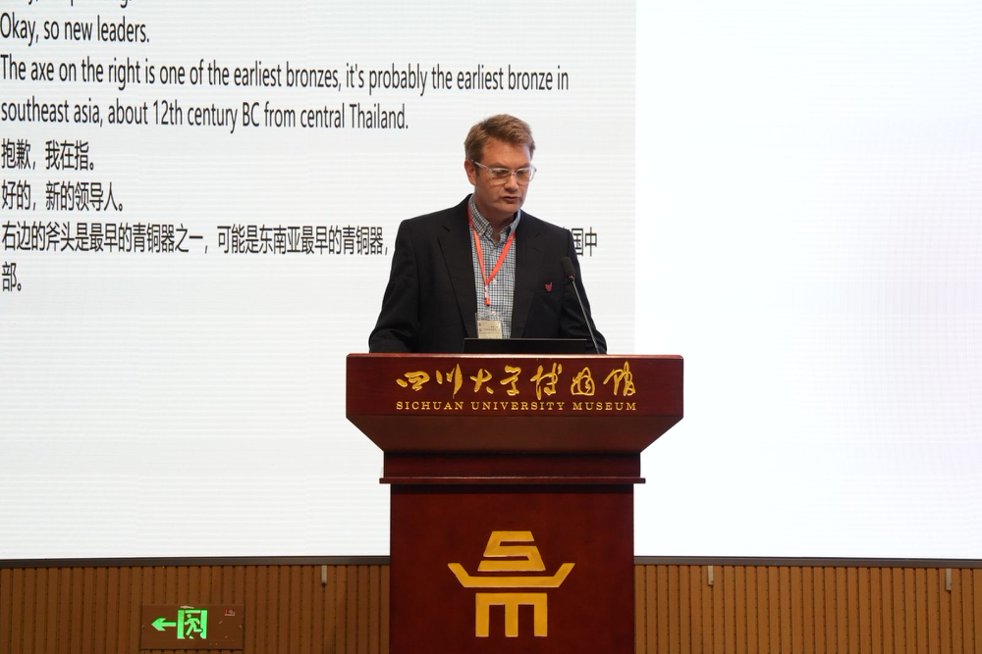
Senior Researcher Thomas Oliver Pryce
Chen Weidong, Professor at Southwest Minzu University, delivered a presentation titled “The Bronze Age in Northern Vietnam—Findings and Reflections from the 2025 Archaeological Survey of the Bronze Age in Northern Vietnam”. The survey provided a deeper understanding of the typological and distribution patterns of Bronze Age cultures in northern Vietnam and yielded a large collection of Bronze Age artifacts. Based on these findings, he proposed that the bronze culture of the Eurasian steppe was likely to spread into Southeast Asia through the southwestern mountainous regions, and the development of the bronze culture in northern Vietnam was significantly influenced by political shifts in China’s Central Plains. He noted that there are certain links between Sanxingdui culture and Phung Nguyen culture of northern Vietnam, suggesting that a degree of high-level interaction may have taken place between the two cultures.
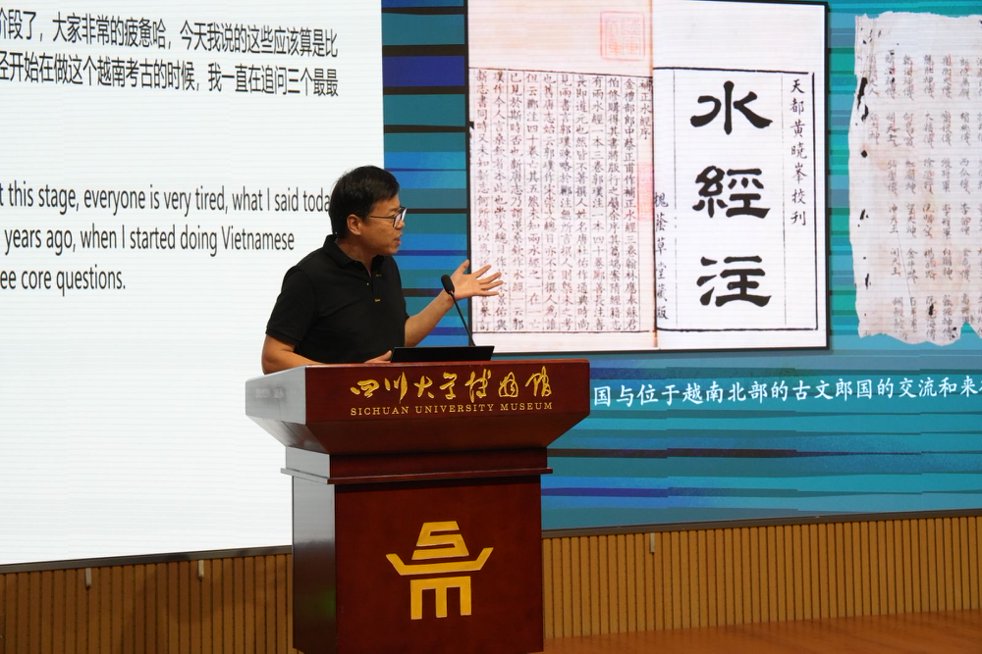
Professor Chen Weidong
Chen Hongbo, Professor at Guangxi Normal University, explored “Bronze Age Cultures in the Indochina Peninsula and Their Relationship with China”. He noted that the Bronze Age in the Indochina Peninsula exhibits distinctive characteristics: Social development in the region lagged behind that of China, and the society did not fully develop into a true “Bronze Age”; instead, it remained at the stage of a “weakly hierarchical society” for a long period and did not form early states comparable to those in China. He further argued that bronze technologies in Southeast Asia originated from southern China and were transmitted southward via Yunnan-Guizhou Plateau through Honghe River, Lancang River, and other river corridors. He emphasized that although the region was rich in mineral resources, the technological transmission was primarily characterized by the selective adoption of external technologies by the indigenous population, rather than large-scale migration.
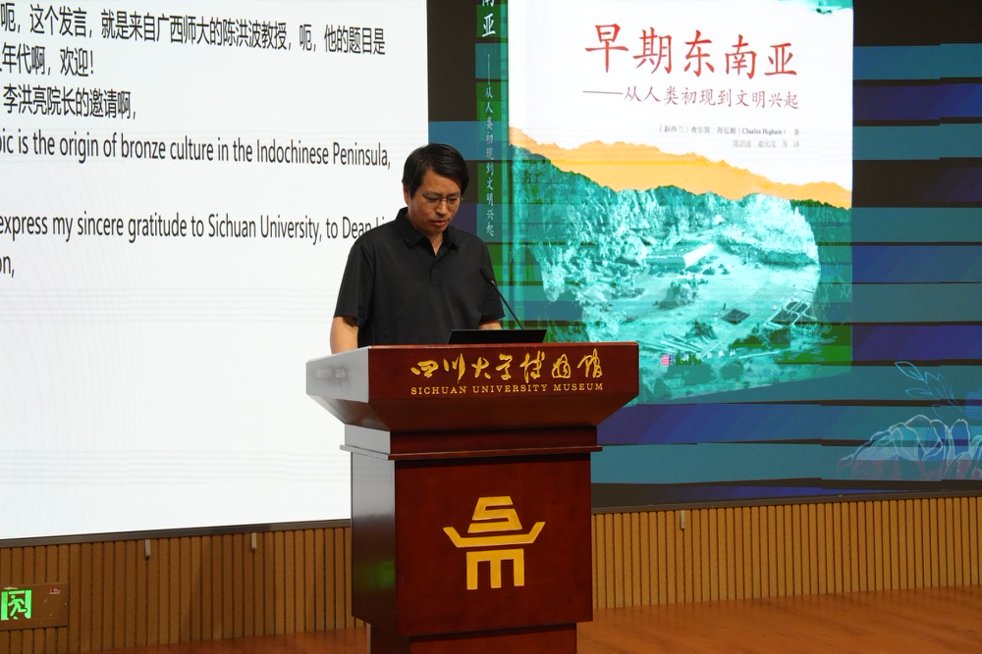
Professor Chen Hongbo
Before the symposium concluded, Huo Wei, Distinguished Professor at Sichuan University, delivered a closing summary. He commended the significance of the meeting and emphasized that research on Sanxingdui and Jinsha Sites should broaden its perspective in all directions and work toward constructing a framework of multi-layered interactions involving southwestern China and its surrounding regions. He noted that the symposium marked the beginning of an important phase of cross-regional comparative studies on Sanxingdui and Jinsha Sites, where numerous questions are waiting to be addressed. He added that further connections through archaeological discoveries in the future are needed to continuously deepen research in this area.
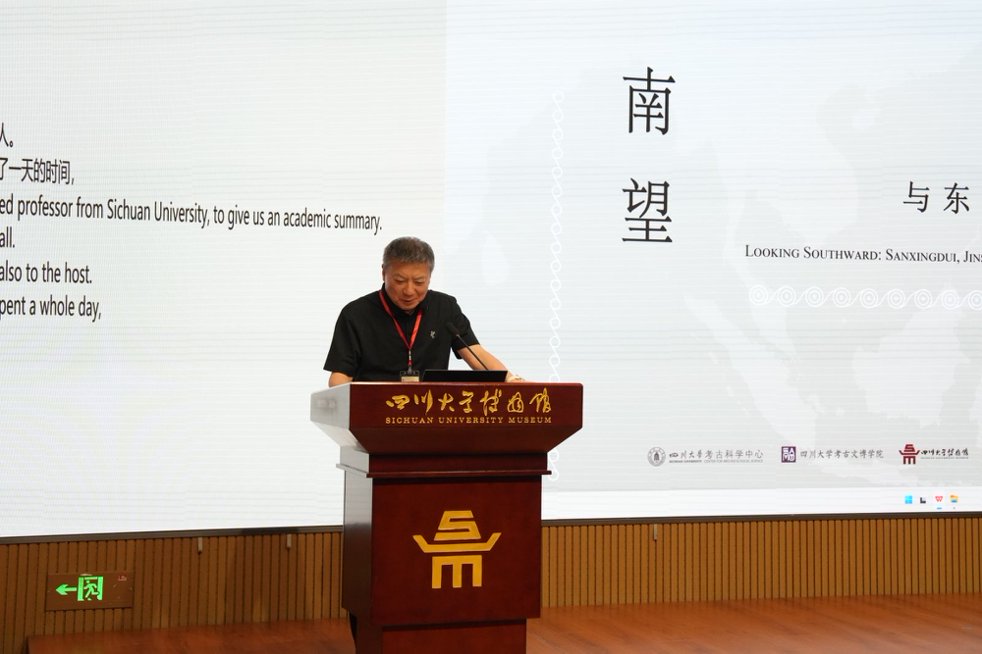
Professor How Wei concludes the symposium with a summary.
(Yao Yadan, Shi Tao)