Three thousand years ago, the ancient Shu people scorched turtle shell to read the signs and inquired to heaven and earth. Today, after 25 years of archaeological exploration, what civilization secrets do the Jinsha oracle turtle shell reveal?
On July 22, the 25th Anniversary of Jinsha Site Discovery with the theme of “Academic Seminar on Oracle Turtle Shell and Shang-Zhou Civilization” was held in Chengdu. This event is a key commemorative activity marking the 25th anniversary of the site’s discovery and the first academic seminar focusing on the study of the oracle turtle shell at Jinsha and their broader cultural connections. The seminar was organized under the guidance of the Zooarchaeology Committee of the Archaeological Society of China and the Sichuan Provincial Archaeological Society, hosted by the Jinsha Site Museum and the Chengdu Institute of Cultural Relics and Archaeology, and co-organized by the Scientific and Technological Analysis of Oracle Bone Research and Innovation Team of the Institute of Ancient History, Chinese Academy of Social Sciences.
The event brought together over 40 leading experts and scholars from top universities and research institutions both domestically and internationally. Through oracle turtle shell research, the seminar centered around four major themes— “Research on Shang-Zhou Oracle Turtle Shell Unearthed from the Chengdu Plain”, “Research on Shang-Zhou Oracle Turtle Shell Unearthed from the Yangtze River Basin”, “Scientific and Technological Analysis of Oracle Bone” and “Shang-Zhou Civilization”. It established an international, cross-regional, and multidisciplinary platform for academic exchange on oracle bone studies.
Starting from Jinsha:
Analyzing the Cultural Traits of Oracle Turtle Shell on the Chengdu Plain
As the central capital of the ancient Shu civilization in the upper Yangtze River region during the Shang and Zhou periods, the Jinsha site has yielded a rich array of artifacts including gold, jade, bronze, and oracle turtle shell. These artifacts not only provide a faithful reflection of the material life and spiritual beliefs of the ancient Shu people, but also serve as crucial material evidence for studying the cultural relationship between the ancient Shu civilization and the Shang-Zhou cultures of the Central Plains.
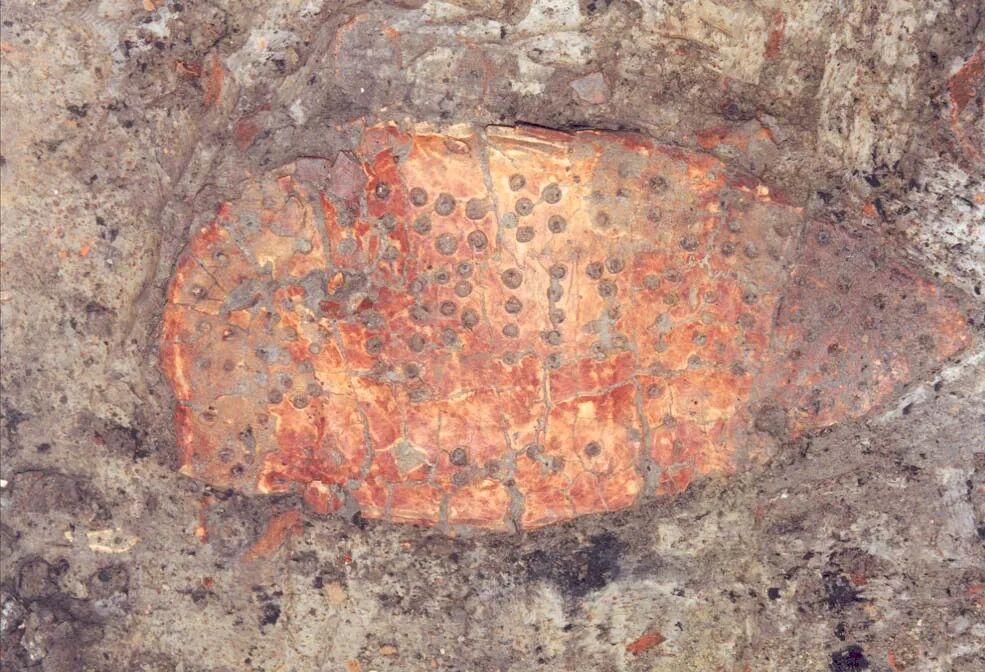
Since the discovery of the Jinsha site in 2001, archaeologists have unearthed more than 20 oracle turtle shells from various locations within the site, including the ritual and palace areas. Among them, one specimen, measuring 58 centimeters in length, ranks among the largest oracle turtle shell ever found in China to date. In terms of their morphological features and usage practices, these oracle turtle shells not only reflect the distinctive characteristics of the ancient Shu civilization but also bear the imprint of ritual influences from Shang-Zhou tradition of the Central Plains , thus carrying the “codes” of cross-cultural interaction.
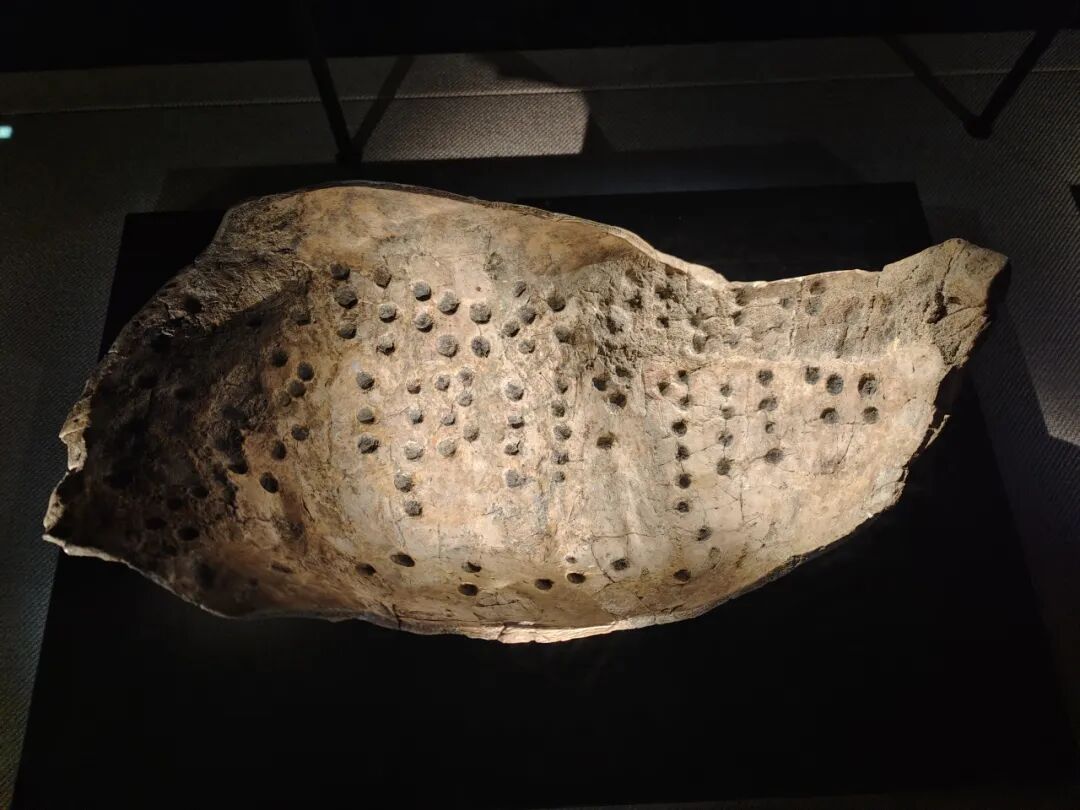
At the seminar, many scholars delivered presentations focusing on the latest archaeological findings from the Chengdu Plain, the Jinsha site, and the Ba-Shu region.
First, Associate Professor Katherine R. Brunson of Wesleyan University, USA presented the latest findings from an international collaborative project on oracle bone research across East Asia, taking a broad regional perspective. Drawing on examples of oracle bones from the Gansu-Qinghai region and the Shimao site, she analyzed aspects including the animal species used for the oracle bone, the morphology of drilling and scorching marks, and their deposition contexts. She also discussed the challenges facing the standardization of cross-regional oracle bone databases.
Following that, Dr. Jada Ko from Harvard University presented an analysis of oracle turtle shell from the Jinsha, Jinhe Road, and Zhihui Street sites. Focusing on oracle turtle shell from the Chengdu Plain, she examined the animal species and the specific skeletal elements used, compared these practices with the oracle bone traditions of the Central Plains, and interpreted the underlying natural resource networks and their political implications through the perspective of political ecology. Yan Xin, Associate Research Curator at the Center for Archaeological Research of the National Cultural Heritage Administration, discussed the challenges of carbon-14 dating using oracle turtle shell and presented recent dating results obtained from specimens unearthed at the Huangzhong Middle School site at Jinsha, demonstrating the feasibility of direct dating on oracle bone. Yang Tao, Associate Research Curator at the Chengdu Institute of Cultural Relics and Archaeology, systematically surveyed the four locations where oracle turtle shells have been found at Jinsha. By comparing the drilling and chiseling patterns with those from the Zhengzhou Shang City and Yanshi Shang City sites, he suggested that divination practices at Jinsha were likely influenced by the Erligang culture, serving as vivid evidence of interaction between the Chengdu Plain and the Central Plains during the Shang and Zhou periods.
Li Zhipeng, Associate Research Fellow at the Key Laboratory of Archaeological Science and Cultural Heritage Conservation and the Institute of Archaeology, Chinese Academy of Social Sciences, presented a study based on faunal remains from the Jinsha site. Through species identification and quantification, combined with analysis of age-at-death, sex characteristics, and bone modification traces of pigs and cervids, he examined how animal resources were utilized during the Jinsha period, reconstructing a resource acquisition pattern in which the ancient Shu people combined both domestic and wild resources, with a primary reliance on domestic livestock. Zhang Wenjie, Professor and Deputy Dean of the School of History and Cultural Heritage at Xiamen University, drew on bamboo-slip and silk texts as well as archaeological materials to systematically compare the technological features of oracle turtle shell from the Ba-Shu region, the southern regions, and the Central Plains, including those from the Wuwangdun Tomb. He further analyzed how, under the influence of divination and numerology thought, divination practices during the Spring and Autumn and Warring States periods gradually shifted from traditional shamanistic practices toward systems rooted in yin-yang and wu xing (the Five Phases), accompanied by a trend toward ritualization. Zhao Congcang, Professor at the School of Cultural Heritage, Northwest University, offered a comprehensive synthesis of early Ba-Shu archaeology by integrating typical excavated artifacts and cultural features from the Sanxingdui and Jinsha sites, as well as the Baoshan site in Shaanxi, the Lujiahe culture in the Three Gorges region, and the State of Yu Cemetery culture in Shaanxi.
Cross-Regional Dialogue:
Interpreting Oracle Turtle Shell Archaeology
and Cutting-Edge Archaeometric Advances in the Yangtze River Basin
In parallel, the seminar extended its discussion to the middle and lower Yangtze River basin and beyond. Through research methods such as regional cultural comparisons, alongside cutting-edge techniques including ultra-depth-of-field microwear observation and portable non-destructive spectroscopic analysis, participating experts systematically examined oracle bone remains from multiple regions—including the Yangtze River basin, the Central Plains, the Jianghuai region, and the West Liao River basin—and interpreted the distinctive divination traditions of the Ba, Chu, Huaiyi, and Lower Xiajiadian cultures. The discussions fostered an in-depth dialogue on the dissemination of ritual culture and cross-regional interactions during the Shang and Zhou periods.
Archaeological scholars from the Yangtze River regions of Sichuan, Chongqing, Hubei, and Anhui provinces shared their research findings on oracle bone archaeology from their own areas.
Zheng Luhong, Research Curator at the Sichuan Provincial Institute of Cultural Relics and Archaeology, presented recent archaeological discoveries from the Luojiaba site. Several high-status Warring States period burials containing oracle turtle shell have been excavated at the site, some of which also yielded complete sets of divination tools, providing material evidence for the notion that “the Ba people revered shamanistic practices”. Scholars from the Chongqing Institute of Cultural Relics and Archaeology, the Hubei Provincial Institute of Cultural Relics and Archaeology, and the Anhui Provincial Institute of Cultural Relics and Archaeology examined oracle bone discoveries and their regional characteristics from the Three Gorges region, the Hunan-Hubei area, and the Jianghuai region, respectively. They systematically analyzed the divination customs and modification techniques, assessing the possible influences from Shang-Zhou culture as well as the emergence of localized traditions. These studies vividly demonstrate the cultural interactions among different regional civilizations in ancient China.
In addition, the seminar also featured academic exchanges centered on cutting-edge archaeometric approaches and the craftsmanship of oracle bones.
Sun Yabing, Research Fellow at the Institute of Ancient History, Chinese Academy of Social Sciences, systematically elucidated the unique morphological features and cultural origins of the “ear-cup-shaped” drilling and chiseling technique. Xu Jing, Ph.D. candidate at the School of History and Cultural Heritage, Xiamen University, conducted microwear analysis using ultra-depth-of-field microscopy on the incised, scraped, and shaved marks on oracle turtle shell from the Wuwangdun Tomb, reconstructing the manufacturing sequence and possible tools used. This provides new insights into the methods and procedures of turtle shell preparation by the Chu people during the Warring States period. Zhao Xiaolong, also from the Institute of Ancient History, Chinese Academy of Social Sciences, investigated the sequence of brushstrokes in oracle bone script through microscopic techniques. His findings suggest that the origins of Chinese character stroke order can be traced back to the Yin-Shang period, offering a reference for the study of the continuity of Chinese civilization from the perspective of character structure. Xu Siwen, from the Department of Archaeology and Anthropology at the University of Chinese Academy of Sciences, employed portable spectroscopic instruments to analyze the chemical composition and molecular structure of the pigments used in oracle bone inscriptions, identifying the types of colorants employed for both black and red painted fills. Finally, An Ran from Cornell University broke with the traditional framework that takes the Anyang oracle bone assemblage as the standard reference. By examining the distinctive “drilled but not scorched” characteristics of oracle turtle shell from the Lower Xiajiadian culture in the West Liao River basin—which differ from Shang practices—he reassessed divination practices at early Chinese cultural sites such as Erlitou.
As the seminar drew to a close, Chinese and international scholars engaged in discussions on topics such as oracle turtle shells from different regions and the diverse patterns of drilling and scorching observed on them, sparking new academic ideas and perspectives.
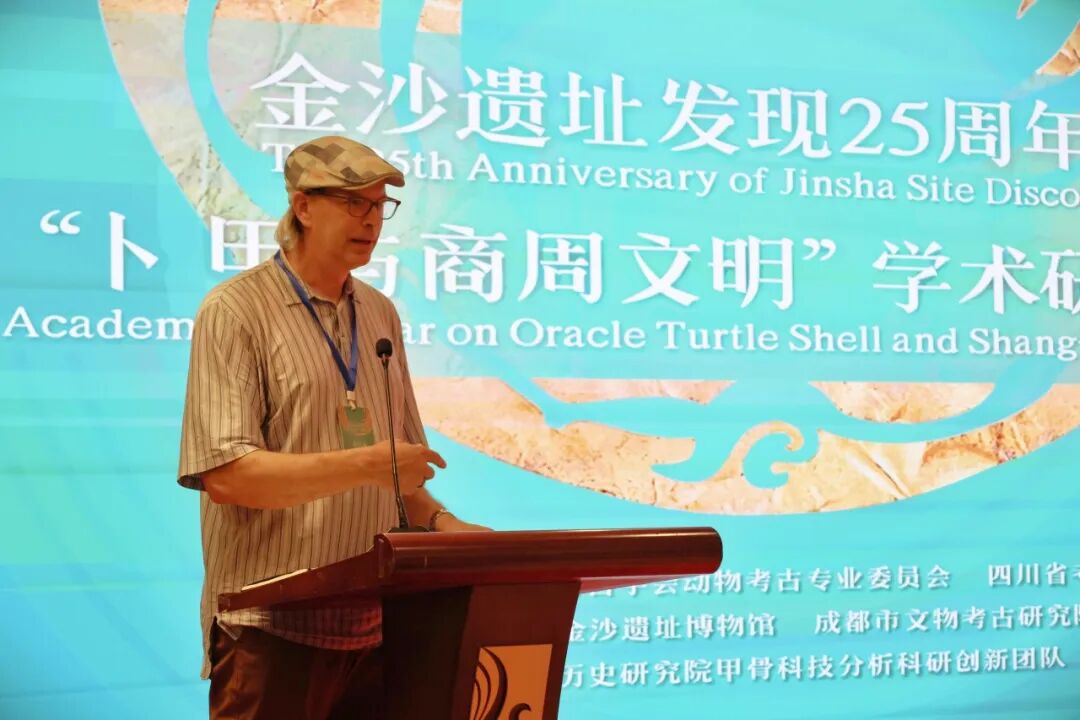
Rowan K. Flad, Professor of Anthropology at Harvard University, delivered the concluding remarks for the seminar, systematically summarizing the main points of each presentation. Drawing on his own early archaeological experience in the upper Yangtze River region, he observed that the seminar brought together entirely new materials and archaeological research of oracle turtle shell from across China, providing him with numerous fresh insights. He highly commended the academic value of the event. At the same time, he offered several observations and suggestions— that research on the oracle turtle shell from Jinsha and the Chengdu Plain should be situated within a broader cultural context; that the complexities involved in conducting archaeometric analyses must be fully taken into account; and that the diversity observed in oracle bone practices across different regions, including the Chengdu Plain, may reflect either chronological differences or variations in the practitioners themselves. He expressed his hope for further research in the future.
This seminar, grounded in the archaeological research of the Jinsha site, brought together oracle bone research findings from across China and even East Asia, and sought to situate divination culture within the broader framework of Shang-Zhou civilization. It served both as a concentrated, phased presentation of recent archaeological advances related to the Jinsha oracle turtle shell, and as a significant step forward in promoting cross-regional collaborative research in oracle bone archaeology across the country. The event provided important empirical support for understanding the formation of the pluralistic yet integrated pattern of Chinese civilization, while also offering new perspectives on the relationship between the Upper Yangtze River civilization and the Shang-Zhou cultures.